Khamenei Buried at Imam Reza Shrine in Mashhad
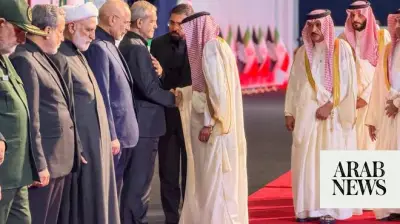
Iran buried its slain supreme leader, Ayatollah Ali Khamenei, on Thursday at the country's holiest shrine in Mashhad, northeast Iran. The burial followed a week of mass funeral processions, rallies, and mourning ceremonies that coincided with renewed conflict with the United States after weeks of truce. Meanwhile, Khamenei's son and successor, Mojtaba Khamenei, remains hidden from public view after being disfigured in the same strike that killed his father on February 28.
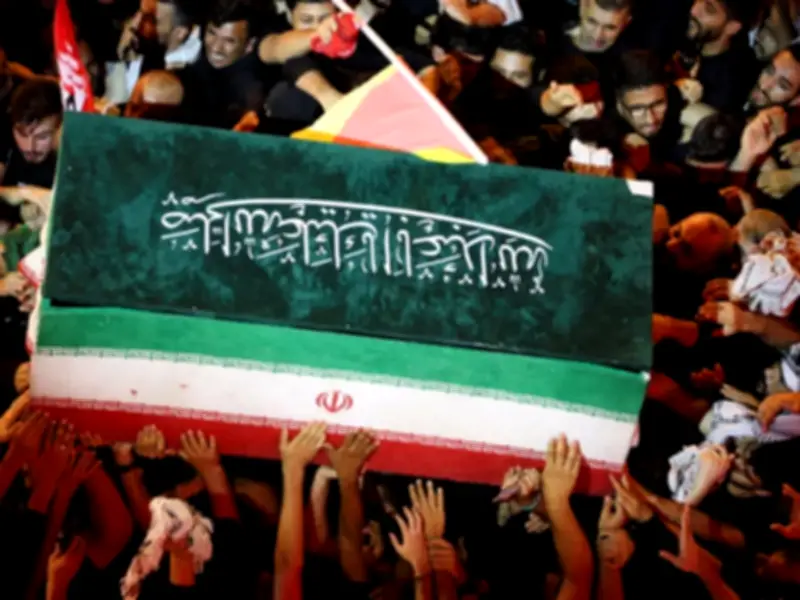
Crowds marched through Mashhad on Thursday morning, waving Iranian flags, photographs of the late Khamenei, and placards with revolutionary slogans. The golden dome and minarets of the Shrine of Imam Reza glinted in the morning sun as the funeral cortege arrived. Khamenei's remains, along with those of four family members killed alongside him, had already been paraded through Tehran, the clerical center of Qom, and the Iraqi shrine cities of Najaf and Karbala.
Mojtaba Khamenei's Whereabouts and Condition
The whereabouts of Mojtaba Khamenei, proclaimed supreme leader by a clerical assembly a week after his father's death, have remained a mystery to Iranians. He has not appeared in public since the war began with the strike that killed Ali Khamenei. While he has issued written statements, no image, video, or voice recording of him has been released. He suffered debilitating injuries in that same strike, with his face disfigured and limbs badly wounded.

Senior sources in Tehran have said he is recovering but is not yet well enough to manage public appearances. State security services are also trying to limit his exposure in case of more US attacks. Mojtaba Khamenei was appointed with the backing of the Islamic Revolutionary Guard Corps (IRGC), which is now seen as the dominant force in Iranian political and strategic thinking.
Funeral Processions and Anti-Trump Slogans
As crowds jostled in Mashhad awaiting Khamenei's funeral cortege, they chanted slogans demanding revenge on US President Donald Trump for his murder. “I swear by the blood of the supreme leader, Trump, we will kill you!” they shouted, with women holding up placards reading "Kill Trump." At each event, huge crowds thronged the streets to the mournful accompaniment of sung laments and chanted revolutionary slogans.
The Islamic Republic's clerical leaders encouraged huge crowds to attend in an effort to vaunt the might and ideological fire of their state. Martyrdom holds a central place in Islamic theology, and Khamenei's death at the hands of foreign enemies has played into a religious and political tradition that runs deep through the Islamic Republic.
Khamenei's Legacy and Internal Challenges
The funeral comes at a critical moment for Iran, turning the page of nearly four decades of Khamenei's rule and months after the latest round of foreign-fuelled and funded mass nationwide protests against the Islamic Republic. Security forces put down that unrest, sparked by anger over the sanctions-throttled economy and fanned along by Israeli and US support, which resulted in the deaths of many protesters.
While analysts see Iran as having emerged from the war strategically strengthened, with its grip over the vital Strait of Hormuz intact, it has suffered widespread damage due to the US and Israel's bombing of civilian and oil infrastructure, which has added to internal economic woes. Despite surviving a months-long blitz by its strongest enemies, the United States and Israel, Iran faces internal challenges, and the legacy of Khamenei's 37-year rule is bitterly disputed.
The late Khamenei was appointed supreme leader in 1989, a decade after the Islamic revolution, and over the decades he consolidated political, economic, and military power in his office. That effort, which increasingly marginalised the elected president and parliament, was conducted in concert with the IRGC, which grew in influence throughout Khamenei's rule.