Tehran on Thursday launched attacks on multiple Gulf countries in retaliation for fresh US airstrikes on Iran, according to Iranian state media. This escalation occurred despite ongoing diplomatic efforts by Pakistan and other nations to resolve the months-long conflict peacefully.
US Airstrikes and Iranian Retaliation
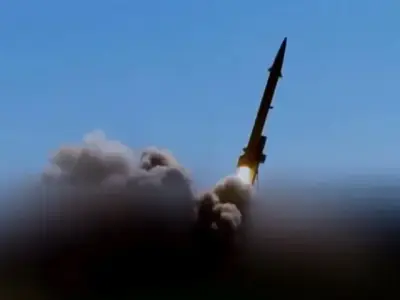
The United States conducted a second round of airstrikes on Iran early Thursday, following President Donald Trump's warning that Tehran would face consequences for stalled negotiations. In response, Iran targeted Bahrain, Kuwait, and other regional states with missile strikes.
Iran's state-run IRNA news agency reported that the Islamic Revolutionary Guard Corps (IRGC) Aerospace Force and Navy struck and destroyed 18 key US military assets at the Ali Al Salem, Ahmad Al Jaber, and Sheikh Isa air bases. The operation was carried out in two waves, retaliating against US attacks on IRGC units, coastal posts, police headquarters, and areas near Bandar Abbas Airport.

Strait of Hormuz Closed
Iran announced the closure of the Strait of Hormuz, a vital global trade and energy route, until further notice. This decision came after repeated violations of a two-month shaky ceasefire by US forces. The closure has disrupted global energy supplies and driven oil prices higher.
US Central Command Response
The US Central Command stated that it had completed its latest round of airstrikes in response to Iran's continued aggression. The strikes targeted Iranian military surveillance capabilities, communication systems, and air defense sites. The command did not provide details on the damage inflicted.
Kuwait closed its airspace as its air defenses fought off Iranian attacks. The Kuwaiti Directorate General of Civil Aviation announced that flights were being diverted to other airports. Kuwait International Airport had taken a direct hit in recent days, resulting in one death and dozens of injuries.
Pakistan's Mediation Role
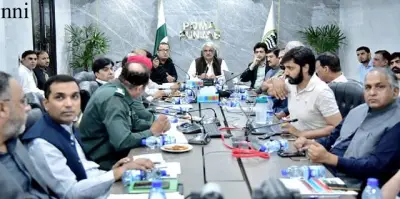
President Trump acknowledged Pakistan's efforts to mediate the conflict, noting that he gave Iran a break at the request of Pakistan's Chief of Defense Forces Field Marshal Asim Munir and Prime Minister Shehbaz Sharif. Trump described them as great and friendly, adding that they continue to work on persuading Iran to agree to a peace deal.
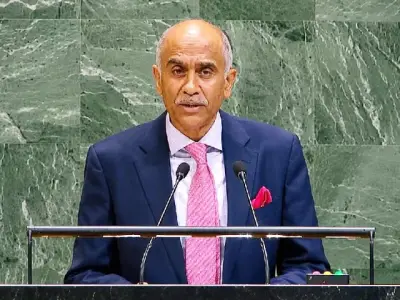
Trump urged Iran to sign a meaningful agreement to end the war, suggesting that a deal could be reached in days. However, Iran's UN envoy, Amir Saeid Iravani, stated that Iran has never negotiated under threats and pressure and will not submit to pressure.
Global Economic Impact
The conflict, which began with US and Israeli attacks on Iran on February 28, has shaken the global economy. Energy prices have risen worldwide, making food and other essentials more expensive. The international benchmark for crude oil traded above $93 a barrel on Wednesday, up more than 25 percent since the start of the war.
Trump revealed that the US military has undertaken a secret mission to sneak oil shipments past Iran's forces in the Strait of Hormuz, with ships slipping through at night aided by the destruction of Iranian radar equipment.