Iran-Israel Conflict Intensifies as a Full-Blown Asian Crisis
Everyone desires an end to this war, yet no party seems near achieving that goal. Iran is not comparable to Vietnam, Afghanistan, or Iraq, and this is not 1968, 2002, or 2003. The political objectives vary widely, from altering regime behavior to ensuring regime survival, making resolution complex. More critically, what decisions will either side make next? This conflict has evolved into a severe Asian crisis, with far-reaching implications for regional stability.
Gulf Arabs Face Major Casualties and Infrastructure Damage
Gulf Arab nations are experiencing a pivotal moment, but their multi-alignment strategy has rendered them significant casualties in this war. Their infrastructure will require years to rebuild, impacting economic and social frameworks. In terms of their global positioning, they are reassessing relationships with key players: the United States, Iran, and even Israel. This re-evaluation could reshape diplomatic and economic ties across the Middle East.
Israel's Technological Edge and Emerging Competition
Israel remains strong in technology, particularly in defense sectors, but circumstances have shifted dramatically. It now faces serious competition from Ukraine's defense technology industry, which is more attuned to the warfare of the future. This development challenges Israel's dominance and could influence military strategies in ongoing conflicts.

Iran's Radical Leadership and Nuclear Assurance
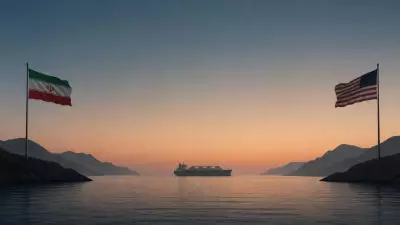
The new leadership in Tehran is likely to adopt a more radical and hardline approach, exacerbating tensions. Iran's nuclear future appears increasingly assured, raising concerns about proliferation and regional security. While Iran can use the Strait of Hormuz as strategic leverage, this tactic has limitations. The world is already finding alternatives to reduce dependency on this chokepoint.
Global Alternatives and Pipeline Activations
Saudi Arabia has activated its East-West pipeline, capable of loading about seven million barrels per day from its Yanbu port on the Red Sea. Similarly, the UAE has activated its Fujairah pipeline, operating under the assumption that Houthi forces cannot significantly disrupt Red Sea shipping. These moves highlight a shift towards diversifying energy routes and mitigating risks.
A World Without Filters and Pakistan's Preparedness
This conflict marks a world without filters, where traditional tactics like targeting heads of state to cripple a nation are less effective. Pakistan needs to prepare for extremely difficult days ahead, as regional instability could spill over, affecting security and economic conditions. The real cost of this war extends beyond immediate battles to long-term geopolitical realignments.