Iran Tightens Control Over Strait of Hormuz Amid Escalating Tensions
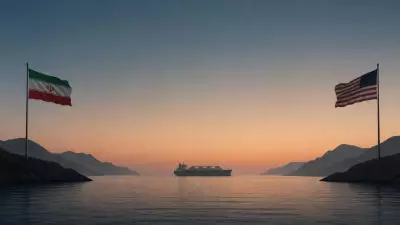
Iran declared on Saturday that it was significantly tightening its control over the strategically crucial Strait of Hormuz, issuing warnings to mariners that the vital energy route was once again closed to shipping traffic. This announcement came as a direct response to what Tehran describes as a continued United States blockade of Iranian ports, which Iran claims violates the existing ceasefire agreement between the two nations.
Trump's Firm Response to Iranian Actions
In Washington, President Donald Trump delivered a strong rebuttal to Iran's maneuvers, stating that the United States was engaged in "very good conversations" with Iranian officials. However, he emphasized that Tehran's attempt to shut down the strait constituted an act that could not be used to blackmail the US. "Iran could not blackmail the US," Trump asserted, highlighting the administration's stance against what it perceives as coercive tactics.
Maritime Incidents and Regional Concerns
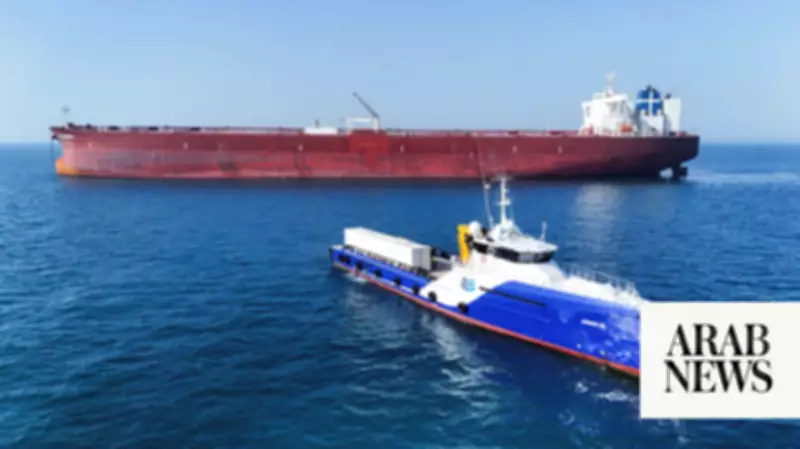
Shipping sources have reported alarming developments in the waterway, with at least two vessels coming under fire while attempting to transit the Strait of Hormuz. These incidents have raised serious safety concerns for international maritime traffic. In a related diplomatic move, India summoned Iran's ambassador to New Delhi, Mohammad Fathali, for a meeting with Foreign Secretary Vikram Misri. During this discussion, Misri conveyed India's deep concern over the shooting incident and urged Tehran to facilitate the passage of India-bound ships through the strait at the earliest opportunity.

Iran's Supreme Leader and Naval Readiness
Iran's Supreme Leader Mojtaba Khamenei reinforced the country's hardened position, declaring that Iran's navy stands ready to inflict "new bitter defeats" on its enemies. This rhetoric has injected fresh uncertainty into the ongoing Iran conflict, significantly raising the risk that oil and gas shipments through the strait could remain disrupted. The situation complicates Washington's deliberations on whether to extend the fragile ceasefire currently in place.
New US Proposals and Pakistani Mediation
In a significant development, Iran's Supreme National Security Council revealed that Pakistan's army chief, acting as an intermediary, recently presented new US proposals to Iranian authorities during a visit to Tehran. The council confirmed that these proposals are currently under review, though the specific contents remain undisclosed. The statement indicated that Iran has yet to formulate a response, but further negotiations would require the US to abandon "excessive demands and adjust its requests to the realities on the ground."
Iran's Stricter Maritime Regulations
The Iranian council further announced that Iran will maintain full control over all traffic through the Strait of Hormuz until "the war fully ends and lasting peace is achieved in the region." This control includes implementing enhanced measures such as collecting detailed information on passing vessels, issuing mandatory transit certificates, and imposing tolls on shipping. Maritime security sources confirmed that some merchant vessels have already received radio messages from Iran's navy stating that no ships are permitted through the waterway, reversing earlier indications on Saturday that traffic might resume.
The Washington administration has not provided confirmation regarding the new proposals mentioned by Iran. The evolving situation continues to pose significant challenges to regional stability and global energy security, with all parties closely monitoring developments in this critical maritime corridor.