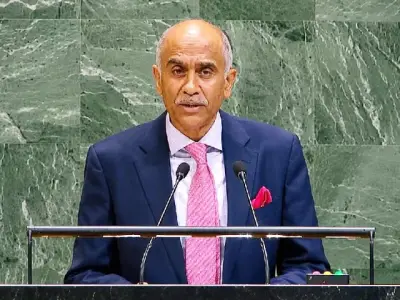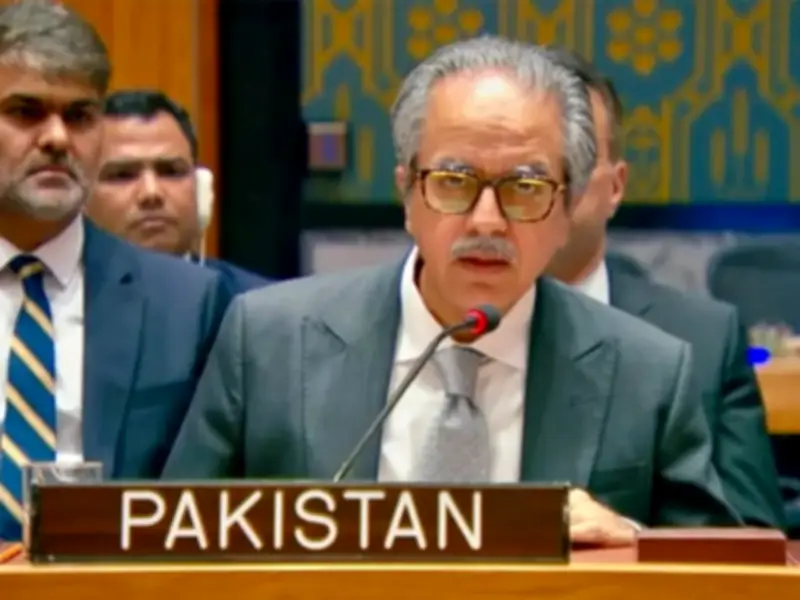
UNITED NATIONS: Pakistan on Wednesday urged all sides to exercise restraint and give diplomacy "a little more chance" amid heightened tensions in the Middle East, warning that recent events have highlighted the risk of further escalation. Addressing a UN Security Council briefing on non-proliferation, Pakistan's Permanent Representative to the United Nations, Ambassador Asim Iftikhar Ahmad, said Islamabad was "deeply concerned" at the ongoing situation in the region marked by heightened tensions.
Escalation Risks and Diplomatic Efforts
"Events of the last few days have amply underscored the fragility of the situation, the risk of escalation and the need for diplomatic efforts to come to fruition – sooner than later," he told the council. The ambassador said the recent increase in violence in the Middle East was "a stark reminder of the dangers associated with a tenuous ceasefire and the unbearable consequences it may lead to".
"The cycle of violence and instability must end for the good of regional and international peace, security, and prosperity," he added.

Impact on Iran Nuclear Issue and IAEA
Referring to the Iranian nuclear issue, Iftikhar said the latest hostilities had complicated diplomatic efforts and affected the work of the International Atomic Energy Agency (IAEA). "Regrettably, the breakdown of diplomacy and outbreak of hostilities has also impacted the consideration of the Iran nuclear issue, pushing the parties further apart on this complex file," he said. He added that the conflict had also "disrupted the IAEA's crucial verification mandate".
Pakistan reiterated its call for all parties to prioritize dialogue and avoid actions that could lead to further instability. The ambassador emphasized the importance of upholding international law and the UN Charter to resolve disputes peacefully.