Pakistan Urges UN Security Council to Intervene in Indus Waters Treaty Dispute
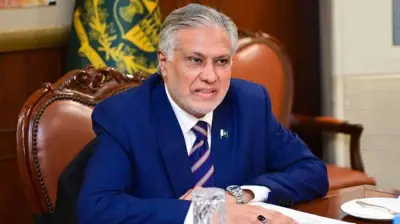
Pakistan has formally called upon the United Nations Security Council (UNSC) to take action regarding the Indus Waters Treaty. In a letter addressed to the UNSC, Deputy Prime Minister and Foreign Minister Ishaq Dar highlighted the grave implications of India's unilateral decision to suspend the treaty, which was made one year ago. The letter was delivered by Pakistan's Permanent Representative to the UN, Ambassador Asim Iftikhar Ahmad, to the President of the UN Security Council, Ambassador Jamal Fares Alrowaiei.
Details of the Letter
The letter draws the UNSC's attention to what Pakistan describes as India's illegal move to hold the Indus Waters Treaty in abeyance. It emphasizes the severe consequences for regional peace, security, and humanitarian conditions. Pakistan has urged the Security Council to recognize the alarming situation and call upon India to restore full implementation of the treaty. Specific demands include resuming all treaty-mandated cooperation and data-sharing without delay, refraining from any form of water coercion, and complying fully with its international obligations in good faith.
Diplomatic Context
During the meeting, Ambassador Asim Iftikhar Ahmad also briefed the UNSC President on what he termed as India's regurgitation of baseless allegations and propaganda. This comes at a time when Pakistan is actively engaged in mediation efforts to promote regional and international peace and security. The ambassador underscored that the unresolved Jammu and Kashmir dispute, a longstanding item on the UNSC's agenda, remains the root cause of instability in South Asia. He called for a just and lasting settlement in accordance with relevant Security Council resolutions and the wishes of the Kashmiri people.

Background
The Indus Waters Treaty, signed in 1960 between India and Pakistan with World Bank mediation, governs the sharing of water from the Indus River system. Tensions have escalated following India's decision to suspend the treaty, which Pakistan views as a violation of international law. The issue has broader implications for regional stability and water security in South Asia.