Some actions are an affront to law, morality and the most basic rules of human existence. Blocking the water of an entire nation, in direct violation of agreed treaties and civilised conduct, is one of them. Water is not a political tool. It is not a weapon to be waved around by ministers for nationalist applause. For Pakistan, it is survival itself.
Pakistan's Strong Warning
The Foreign Office was right to warn that any deliberate attempt to block water essential to Pakistan’s survival and development would have far-reaching consequences and could amount to an act of war under Article 51 of the UN Charter. This was not an exaggerated response. It was the minimum required after India’s water minister declared that “not a single drop of water” would go to Pakistan in the coming years, and that India was already working on it under directions from Prime Minister Narendra Modi.
Deterrence and Proportional Response
Some actions demand equal and proportionate responses. Pre-communicated, pre-meditated and clear to all. Deterrence only works when the calculation is simple. If a state attacks the foundations of another state’s survival, it must know in advance that the response will not be symbolic, hesitant or delayed. Pakistan must make clear that the infrastructure enabling such an assault on its existence will be considered a legitimate target.

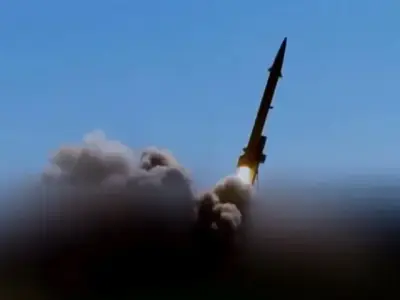
Dams, canals and related systems designed to choke Pakistan’s rivers cannot be treated as ordinary development. If they are turned into weapons, they must be treated as weapons. Our ballistic missiles and fighter planes will be ready.
Pakistan's Preparedness
Pakistan must now actively prepare its military, political and diplomatic machinery for this scenario. It must train, plan and communicate its red lines without fear. The world must understand that 250 million people cannot be left to die of thirst while treaties are shredded and rivers are strangled. Pakistan may sacrifice the lives of its soldiers in war. It cannot sacrifice the life of the nation itself.