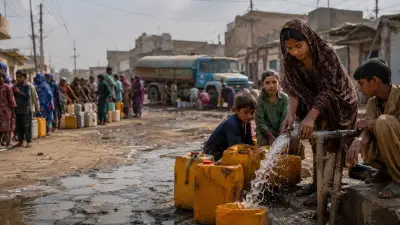
Pakistan contributes less than one per cent of global greenhouse gas emissions, yet consistently ranks among the countries most vulnerable to climate change. The country faces a unique combination of environmental pressures. Extreme weather events are becoming more frequent. Heatwaves are growing more intense. Monsoon patterns are becoming increasingly unpredictable. Floods and droughts are occurring with greater regularity. To the north, glaciers are under increasing stress. To the south, rising sea levels threaten coastal ecosystems and communities. Between them lies the Indus Basin, the lifeline of Pakistan's economy and civilisation. These developments are not temporary anomalies. They are indicators of a changing climatic reality that will shape Pakistan's future for decades to come.
Glaciers: A Double-Edged Sword
Pakistan possesses more than 7,000 glaciers, one of the largest concentrations outside the polar regions. The glaciers of the Himalaya, Karakoram and Hindu Kush mountain systems function as vast natural reservoirs, feeding the Indus River system and sustaining agriculture, hydropower generation, industry and domestic water supplies. Climate change is accelerating glacial retreat across much of the region. In the immediate term, accelerated melting increases the risk of glacial lake outburst floods (GLOFs), flash floods and downstream flooding. In the longer term, however, shrinking glaciers threaten the sustainability of river flows upon which Pakistan depends. The paradox confronting Pakistan is that today's floods may become tomorrow's droughts.
The Indus Basin: Strategic Asset Under Pressure
No environmental asset is more important to Pakistan than the Indus River system. The Indus Basin supports the overwhelming majority of Pakistan's agriculture, contributes significantly to national food security, sustains major urban centres and supports hydropower generation. It is not merely a river system. It is the foundation of Pakistan's economic and social existence. Historically, great civilisations flourished along rivers. The Indus Civilisation itself emerged because of the opportunities provided by water. In the modern era, the strategic significance of rivers has only increased. Yet this lifeline faces mounting pressures from climate change, population growth, urbanisation, environmental degradation and inefficient management practices. Pakistan must, therefore, begin treating the Indus Basin as a strategic national asset deserving the same degree of attention accorded to other critical components of national security.

Water as a Geopolitical Instrument
Throughout history, strategic resources have often been used as instruments of power. The twentieth century witnessed the weaponisation of oil. The twenty-first century may increasingly witness the strategic use of water. Climate change, population growth and rising demand are increasing the geopolitical value of freshwater resources across the world. Rivers are becoming instruments of cooperation in some regions and sources of tension in others. The lesson for Pakistan is not alarmism but realism. No country can completely eliminate upstream vulnerabilities. However, nations can substantially reduce their exposure through resilience and efficient resource management.

Domestic Mismanagement: The Real Challenge
The most effective response to the possibility of water being used as an instrument of statecraft is not panic but preparedness. A country that wastes less water, stores more water, recycles water, regulates groundwater extraction and modernises its irrigation systems becomes inherently less vulnerable to external pressures. Water security begins with national resilience. Pakistan's concerns regarding transboundary water management are understandable. Yet a credible national strategy requires equal honesty regarding domestic shortcomings. The uncomfortable reality is that Pakistan loses enormous quantities of water through inefficiency and mismanagement. Much of the irrigation system continues to rely upon traditional flood irrigation methods. Significant quantities of water are lost through seepage and evaporation. Water-intensive crops are often cultivated without sufficient consideration of long-term sustainability. Groundwater extraction remains inadequately regulated in many parts of the country. Urban water systems suffer from leakages, theft, ageing infrastructure and poor governance. Millions of gallons of water are lost before reaching consumers.
Conclusion: From Vulnerability to Resilience
The contradiction is evident. Pakistan seeks protection of its water rights under international agreements, yet simultaneously permits the waste of substantial quantities of water within its own borders. No nation can sustainably protest upstream restrictions while tolerating downstream waste. Addressing this contradiction must become a national priority. The first line of defence for Pakistan's water security lies not at the border but within the country's own management systems.