Trump Issues Dire Warning as Iran Defies Strait of Hormuz Ultimatum
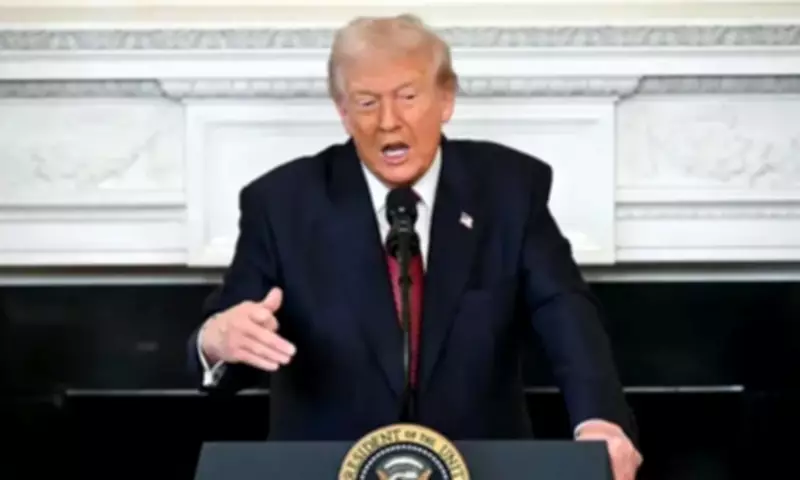
As the deadline imposed by former U.S. President Donald Trump approached, Iran showed no indication of complying with demands to open the strategic Strait of Hormuz. Trump issued a stark warning on his Truth Social platform, stating that "a whole civilization will die tonight" unless Tehran reached a last-minute agreement. The ultimatum required Iran to end its blockade of Gulf oil exports by 8 p.m. Washington time.
Escalating Strikes and Infrastructure Attacks
Throughout the day, strikes against Iranian targets intensified significantly. Iranian media reported attacks on multiple critical infrastructure sites including railway bridges, highway bridges, an airport, and a petrochemical plant. Power transmission lines and substations were also hit, causing blackouts in parts of Karaj, located just west of Tehran.
Most notably, explosions were reported on Kharg Island, which hosts Iran's primary oil export terminal. Trump had previously openly discussed the possibility of destroying or seizing this vital facility. In response to these attacks, Iran declared it would no longer exercise restraint against Gulf neighbors' infrastructure and claimed to have conducted fresh strikes on a ship in the Gulf and Saudi industrial facilities linked to U.S. companies.

Iran's Conditions for Peace Talks
A senior Iranian source revealed to Reuters that Tehran had rejected a proposal for a temporary ceasefire conveyed through intermediaries. The source outlined Iran's conditions for beginning lasting peace negotiations: the United States and Israel must first end their strikes, provide guarantees against resuming attacks, and offer compensation for damages. Furthermore, any future settlement must leave Iran in control of the Strait of Hormuz, with authority to impose fees on ships using the crucial waterway.
Iran's Revolutionary Guards issued a statement warning that Tehran's response would "deprive America and its allies in the region of oil and gas for years." The statement emphasized that previous considerations for good neighborliness had been removed, indicating a more aggressive retaliation strategy.
Regional and International Reactions
Israel issued warnings to Iranian citizens via Persian-language social media posts, advising them to stay away from trains due to potential danger. Overnight, a synagogue in Tehran was destroyed in what Iran described as Israeli air strikes. Footage showed Hebrew texts scattered among the debris, and Homayoun Sameh, a lawmaker representing Iran's Jewish community, confirmed the complete destruction of the building with Torah scrolls left under rubble.
Despite the escalating rhetoric and military actions, global markets remained largely frozen, hesitant to predict whether Trump would follow through on his threats or call them off as he has done previously. The uncertainty created a cautious trading environment as the deadline approached.
Pakistan's Mediation Efforts Continue
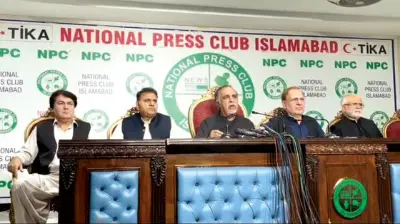
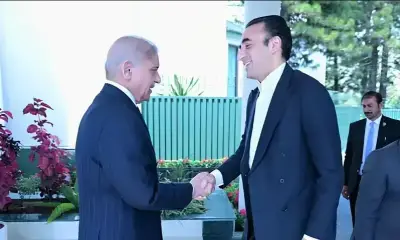
Pakistan continues its attempts to broker an end to the conflict, serving as the primary intermediary between the two nations. Iran's ambassador to Pakistan stated that Islamabad's "positive and productive endeavours" to mediate were "approaching a critical, sensitive stage," though no further details were provided.
The proposal conveyed by Pakistan called for a temporary ceasefire and the lifting of Iran's effective blockade of the Strait of Hormuz, while postponing broader peace settlement discussions for later talks. However, Iran's 10-point response, as reported by IRNA news agency, would require a permanent end to hostilities, the lifting of sanctions, and promises for reconstruction of Iranian sites damaged by Israeli-U.S. strikes.
Iranian citizens expressed hope that the threatened escalation could be averted. Shima, a 37-year-old from Isfahan, told Reuters by phone: "I hope it is another bluff by Trump." The former president has abruptly called off similar threats in recent weeks, citing what he described as productive negotiations with unidentified figures in Iran, though Tehran has denied any substantive talks have occurred.
The situation remains tense as both sides claim to have won the war while demanding concessions to end it, with no visible signs of compromise despite ongoing diplomatic efforts through Pakistani channels.