Trump's Iran Conflict Draws Stark Parallels to 2003 Iraq War
President Donald Trump's military engagement in Iran is increasingly being compared to America's last major conflict in the Middle East—the 2003 invasion of Iraq. Both conflicts showcase conventional American military dominance paired with shifting, ambiguous objectives, creating a sense of déjà vu among observers and experts.
Echoes of Mission Accomplished Moments
Dexter Filkins, a staff writer at the New Yorker and former Baghdad correspondent for the New York Times, expressed a "really empty, terrible feeling, kind of déjà vu" when discussing the Iran war with Today, Explained co-host Noel King. Filkins highlighted how both conflicts feature an American president eager to declare victory prematurely, reminiscent of President George W. Bush's "mission accomplished" banner on an aircraft carrier just six weeks into the Iraq War.
The chaos that followed the US entry into Baghdad on April 9, 2003, serves as a cautionary tale. Filkins recalled, "The chaos and the looting and the bloodshed began immediately. By the end of the day, after the US military marches triumphantly into the capital; by nighttime, the capital is on fire." This initial anarchy spread across Iraq, turning Bush's declaration into a "cruel joke" that foreshadowed years of instability.

Military Might Versus Lasting Peace
Filkins emphasized that military superiority alone is insufficient for creating enduring peace. "The US military is really good at what they do, and what they do is destroy their enemies. But that is not enough necessarily to make a just and lasting peace," he noted. This lesson from Iraq, where the US had ample firepower but failed to maintain order, resonates in the Iran conflict.
The Iraq War became a "magnet for every lunatic" across the Islamic world, drawing fighters to combat Americans and fueling a self-sustaining conflict. Filkins observed that while the US saw itself as a savior, many in the region viewed it as an invader and occupier, deepening regional tensions.
Psychological Impact on America
The war in Iraq left a profound mark on the American psyche. Filkins described a "sad ledger" where the failure to find weapons of mass destruction led many to feel betrayed by their government. "We kind of lost our bearings, lost our way," he said, reflecting on the costly and bloody venture that yielded primarily pain.
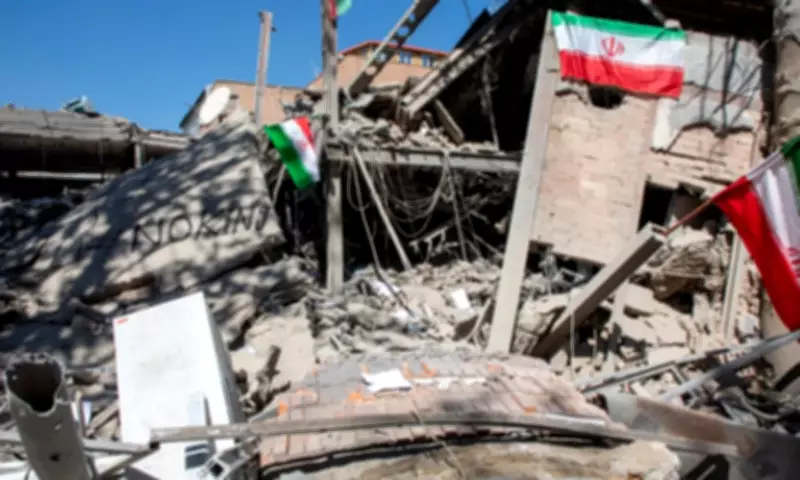
Similarities in the Iran war include tragic incidents, such as the US bombing of a school that killed approximately 150 children. While not excusing such events, Filkins pointed to a recurring issue: the government's difficulty in clearly articulating goals and justifications. "President Trump has given out so many different justifications as to why we're there," he noted, reinforcing the déjà vu feeling.
Lessons from Decades of US Interference
When asked about the big lesson from 25 years of US involvement in the Middle East, Filkins suggested there might not be one overarching takeaway. However, regarding Iran, he expressed disturbance over how the war started but acknowledged, "we're in it and it's too late to turn back now."
The best hope, according to Filkins, is for a satisfactory resolution that at minimum keeps the Strait open to prevent a global economic recession. He emphasized the need to extricate from the conflict without leaving the region in greater chaos, a challenge that mirrors the aftermath of the Iraq War.
This analysis underscores the cyclical nature of US military engagements in the Middle East, where history risks repeating itself without clear strategies and honest communication with the public.