US Military Strike in Caribbean Kills Three, Death Toll Climbs to 180
The United States military has confirmed that three individuals were killed in a strike on an alleged drug-trafficking vessel in the Caribbean on Sunday. This incident brings the total death toll from the controversial campaign to at least 180 people, according to an AFP tally. The operation is part of a broader initiative launched by the Trump administration last September, targeting what it describes as "narco-terrorists" in Latin America.
Details of the Recent Strike
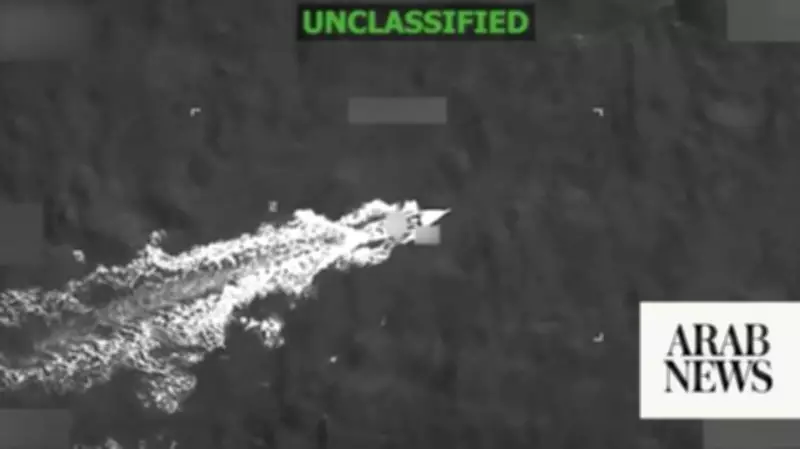
US Southern Command, which oversees Washington's forces in the region, stated that it conducted a "lethal kinetic strike on a vessel operated by Designated Terrorist Organizations." In a post on X, the command explained that intelligence confirmed the vessel was transiting along known narco-trafficking routes in the Caribbean and was engaged in narco-trafficking operations. The strike resulted in the deaths of three male individuals labeled as "narco-terrorists."
This marks at least the sixth such strike reported by US military officials in April alone, highlighting the intensity of the ongoing campaign. The Trump administration has positioned these operations as a critical component of its war against drug trafficking, but the approach has sparked significant controversy and debate.

Legal and Ethical Concerns
The Trump administration has not provided definitive evidence that the vessels targeted in these strikes are involved in drug trafficking. This lack of transparency has prompted heated discussions about the legality of the operations. International legal experts and human rights groups argue that the strikes likely constitute extrajudicial killings, as they appear to target civilians who do not pose an immediate threat to the United States.
Critics emphasize that without clear proof of criminal activity, these actions may violate international law and human rights standards. The debate centers on whether such military interventions are justified or if they represent an overreach of authority in the fight against drug trafficking.
Broader Implications and Reactions
The escalating death toll and the administration's insistence on the effectiveness of these strikes have drawn attention from global observers. Supporters of the campaign argue that aggressive measures are necessary to combat the pervasive issue of drug trafficking in the Caribbean and Latin America. However, opponents warn that the lack of accountability and evidence could undermine international relations and set dangerous precedents for military actions abroad.
As the controversy continues, the Trump administration faces mounting pressure to provide more transparency and justification for its operations. The ongoing strikes in the Caribbean remain a focal point in discussions about US foreign policy, military strategy, and human rights in the context of the war on drugs.