US 'Doomsday Planes' Activity Spikes Amid Iran War Nuclear Fears
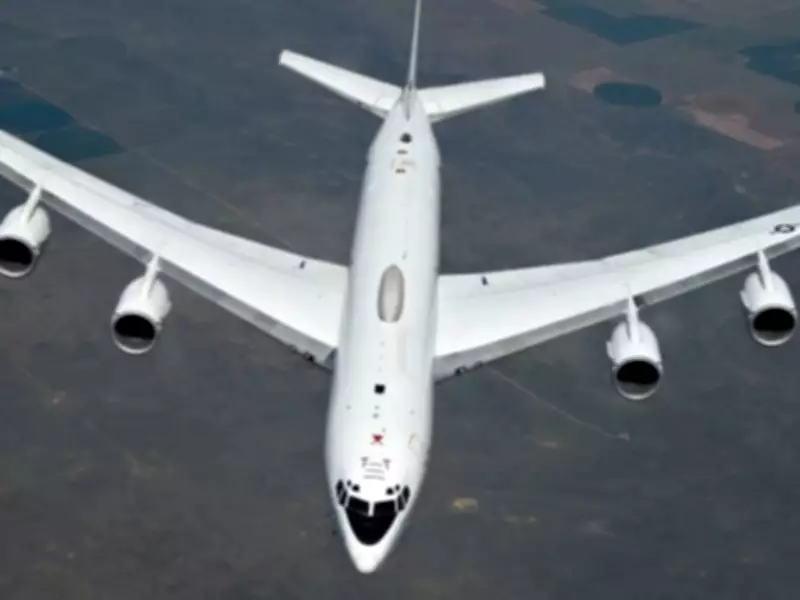
The United States military's fleet of so-called "Doomsday planes" has been observed in heightened operational activity, as global anxieties over a potential nuclear confrontation intensify following the ongoing war in Iran. According to a report by the UK-based tabloid newspaper The Daily Mail on Monday, flight-tracking data has captured multiple launches of the Navy's E-6B Mercury strategic airborne command aircraft since February 28, the date the conflict significantly escalated.
Strategic Airborne Command and Control
Constructed on modified Boeing 707 airframes, the E-6B Mercury is specifically engineered to survive a nuclear attack while coordinating America's military response from the air. This aircraft serves as a flying command center, capable of relaying critical orders from the president or secretary of defense to nuclear-armed submarines, ground-based facilities, and satellites. Its primary mission, known as Take Charge and Move Out (TACAMO), ensures that nuclear command orders can be transmitted even if conventional communication networks are obliterated during a crisis.
Recent Flight Patterns and Operational Secrecy
On March 2, two distinct E-6B flights were tracked over the United States: one departed from the Gulf Coast and landed at Naval Air Station Patuxent River in Maryland, while another took off from and returned to Offutt Air Force Base in Nebraska. Subsequent reports indicate that additional flights have been moving across the Atlantic Ocean toward the Persian Gulf region. The Pentagon has declined to comment on these specific flights, citing operational security concerns and the sensitive nature of the missions.

Context of Heightened Tensions
While the E-6B Mercury aircraft are frequently utilized for training exercises and readiness drills, the recent surge in activity coincides with a period of elevated geopolitical strain. US military bases, embassies, and civilian targets in the Middle East have faced Iranian missile attacks, and tensions have been further exacerbated by reports of Russian intelligence sharing with Tehran. These developments have raised profound concerns about the potential for escalation and the broader implications for global security.
Technical Specifications and Historical Role
Introduced in the 1980s, the E-6B remains the United States' most survivable airborne strategic command platform. The aircraft features a crew of 22, spans more than 150 feet in length, can fly approximately 7,000 miles, and is capable of staying aloft for nearly three days with in-flight refueling. In addition to its TACAMO role, the E-6B also conducts missions under the Looking Glass program, which involves serving as an airborne command post responsible for managing intercontinental ballistic missile launches.
Strategic Deterrence and Future Implications
With geopolitical tensions rising and nuclear stakes arguably higher than ever in recent memory, the visible presence and increased activity of the Mercury fleet underscore the US military's unwavering commitment to maintaining command and control under extreme conditions. This operational posture is designed to project strategic deterrence and ensure continuity of government and military operations, even in the face of catastrophic scenarios. The situation continues to be monitored closely by defense analysts and international observers as the conflict in Iran evolves.