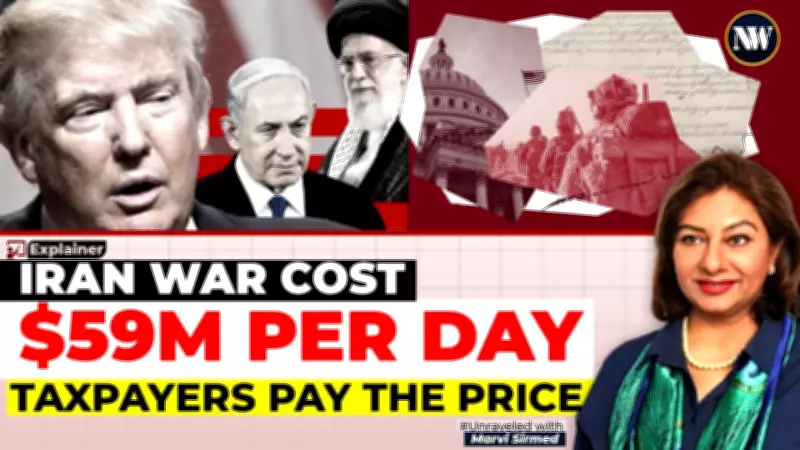
The Astronomical Financial Toll of the US-Israel War on Iran
In a shocking revelation, the ongoing military campaign led by the United States and Israel against Iran has accumulated a staggering total cost of $210 billion. This figure underscores the immense financial burden of modern warfare, with daily expenses soaring to approximately $1 billion. The conflict, which has escalated over recent years, is not only reshaping geopolitical dynamics but also placing unprecedented strain on global economies and regional stability.
Daily Expenditures and Long-Term Financial Implications
The daily cost of $1 billion for the US-Israel war on Iran highlights the rapid depletion of resources in prolonged military engagements. This expenditure encompasses a wide range of factors, including advanced weaponry, logistical support, intelligence operations, and humanitarian aid. Over time, these daily outlays have compounded to reach the colossal $210 billion mark, raising serious concerns about fiscal sustainability and the opportunity costs of such massive spending.
Experts warn that this financial drain could have far-reaching consequences, potentially diverting funds from critical domestic programs such as healthcare, education, and infrastructure development. The war's economic impact extends beyond direct military costs, affecting global oil prices, trade routes, and investment flows in the Middle East.

Geopolitical Ramifications and Regional Instability
The $210 billion war has intensified geopolitical tensions, with Iran and its allies responding through asymmetric warfare and diplomatic maneuvers. This conflict has exacerbated regional instability, leading to increased military buildups and proxy battles across the Middle East. The financial toll is mirrored in the human cost, with casualties, displacement, and destruction adding to the war's devastating legacy.
Moreover, the US-Israel alliance faces growing scrutiny over the strategic rationale and effectiveness of such a costly campaign. Critics argue that the funds could have been better allocated to diplomatic solutions or peacebuilding initiatives, rather than fueling an endless cycle of violence.
Future Projections and Calls for Reevaluation
As the war continues, projections suggest that costs could escalate further if the conflict expands or intensifies. This has prompted calls from international bodies and policymakers for a thorough reevaluation of military strategies and budget allocations. The $210 billion figure serves as a stark reminder of the real-world implications of geopolitical decisions, urging a shift towards more sustainable and peaceful resolutions.
In conclusion, the US-Israel war on Iran, with its $210 billion total cost and $1 billion daily expenses, represents a critical case study in the economics of modern conflict. It highlights the urgent need for greater accountability and foresight in military planning to mitigate financial and humanitarian crises.