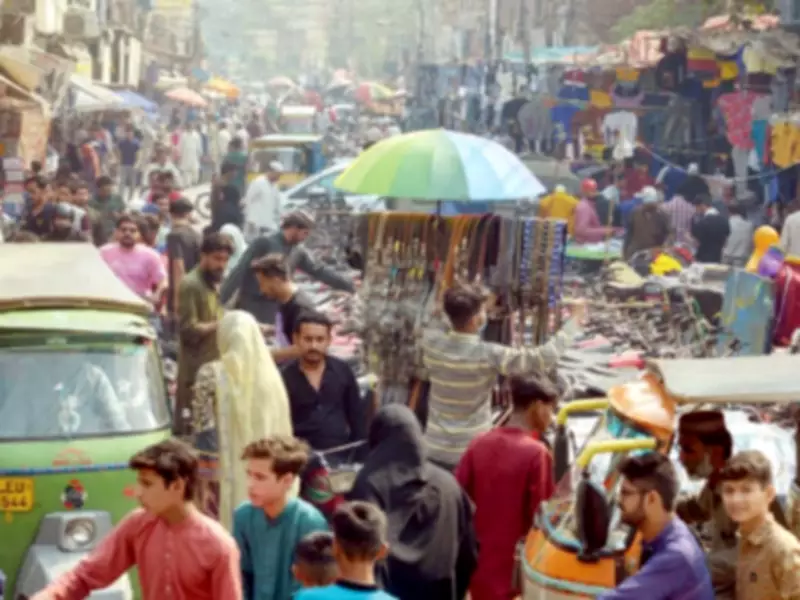
Eid Shopping Rush Intensifies Traffic Gridlocks Across Major Cities
As the festive season of Eid approaches, traffic gridlocks have worsened significantly across major urban centers, with shopping activities reaching a peak. The surge in vehicle movement has led to severe congestion on key roads and intersections, causing extensive delays for commuters and shoppers alike. Authorities report that the influx of people heading to markets and commercial areas has overwhelmed the existing traffic infrastructure, resulting in chaotic conditions during peak hours.
Impact on Urban Mobility and Daily Commutes
The traffic gridlocks have severely impacted daily commutes, with many residents experiencing prolonged travel times and frustration. Major arteries in cities such as Karachi, Lahore, and Islamabad are particularly affected, as shoppers flock to bazaars and malls to purchase clothes, gifts, and food items for Eid celebrations. Public transport systems are also under strain, with buses and rickshaws struggling to navigate through the congested streets, further exacerbating the situation for those relying on these services.
Traffic police officials have issued advisories, urging the public to plan their trips carefully and consider using alternative routes or off-peak hours for shopping. They emphasize that the gridlocks are expected to persist in the coming days as Eid draws nearer, with more people expected to join the shopping frenzy. Measures such as deploying additional traffic wardens and implementing temporary traffic diversions are being considered to alleviate the congestion, but challenges remain due to the sheer volume of vehicles.

Contributing Factors and Public Response
Several factors contribute to the worsening traffic gridlocks, including the traditional last-minute shopping rush, inadequate parking facilities, and ongoing road construction projects in some areas. Many shoppers express frustration over the delays, citing lost time and increased stress during what should be a joyful period. Social media platforms are abuzz with complaints and shared experiences of being stuck in traffic for hours, highlighting the widespread nature of the problem.
To cope with the situation, some residents are opting for online shopping or visiting markets during late-night hours when traffic is relatively lighter. However, this is not a viable solution for everyone, especially those in remote or underserved areas with limited access to such options. The traffic gridlocks also pose economic implications, as businesses in congested zones report reduced footfall and sales due to customers avoiding the hassle of navigating through heavy traffic.
Authorities' Efforts and Future Outlook
In response to the crisis, local governments and traffic departments are ramping up efforts to manage the flow of vehicles. Initiatives include:
- Increasing patrols and monitoring of high-traffic zones
- Coordinating with market associations to stagger shopping hours
- Promoting the use of public transportation through awareness campaigns
Despite these measures, experts warn that without long-term infrastructure improvements and better urban planning, such traffic gridlocks may become a recurring issue during festive seasons. They call for integrated strategies that address both immediate congestion and underlying systemic problems in urban mobility.
As Eid shopping continues, the public is advised to stay informed about traffic updates and exercise patience. The situation serves as a reminder of the pressing need for sustainable transportation solutions in rapidly growing cities, to ensure smoother and safer travel for all during peak periods like Eid.