Imran Khan's Jail Conditions: A Tale of Conflicting Narratives in Pakistan
In a high-stakes political drama, the conditions surrounding former Prime Minister Imran Khan's incarceration in Adiala Jail have become a focal point of intense debate, with starkly opposing claims from his supporters and the government. On one side, Imran Khan's sisters and the Pakistan Tehreek-e-Insaf (PTI) party consistently allege that he is enduring severe hardships, while on the other, official government reports submitted to higher courts paint a picture of exceptional care and security measures.
PTI's Alarming Allegations of Harsh Treatment
PTI leaders and Imran Khan's family members have repeatedly voiced grave concerns, asserting that his survival in jail is precarious under what they describe as the worst possible conditions. They claim that Khan faces solitary confinement, is denied proper meals and medical treatment, and that access to him by lawyers, family, and party leaders is severely restricted. Notably, his sisters have expressed fears for his life, despite his imprisonment being related to corruption cases, not violent crimes. These allegations have fueled public sympathy and political mobilization among PTI supporters.
Government's Detailed Reports on Unprecedented Facilities
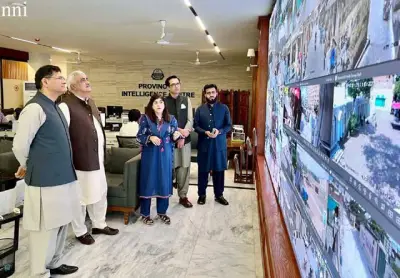
Contrasting sharply with PTI's claims, the government has submitted official reports in courts highlighting extensive provisions for Imran Khan. According to these documents, over Rs 1.2 million has been spent on security, including a separate CCTV system costing Rs 500,000, distinct from the one monitoring 7,000 other inmates. Khan's meals are prepared by a dedicated cook in a private kitchen, supervised by jail authorities and inspected medically before serving. A team of six doctors from Holy Family Hospital is stationed for his care, with regular check-ups by specialists.

He occupies two of seven special cells, with the rest closed for security, and has a personal security detail of 15 personnel. Additionally, a designated recreational area with exercise equipment is provided. The jail's security involves multiple forces conducting regular drills, underscoring the government's emphasis on his safety and well-being.
Public Confusion and Social Media Frenzy
These conflicting narratives have left the general public struggling to discern the truth, with recent controversies, such as those over Khan's eye health, becoming fodder for social media battles between supporters and opponents. The situation has escalated into a polarizing issue, with each side leveraging claims to sway public opinion, further complicating the political landscape in Pakistan.
Proposed Solutions: Luxury Jails and Family Accommodations
Amidst the stalemate, some suggest radical solutions, such as transferring Imran Khan to luxurious prisons abroad, like those in America or China, where facilities include medical care, entertainment, and family-friendly amenities. Prisons such as the Butner Federal Correctional Complex in the U.S. or Qincheng Prison in China offer high-end conditions, potentially resolving complaints about solitary confinement by allowing family members to live with inmates. Examples from Norway, Spain, and Austria show prisons designed for dignity and rehabilitation, with features like shared kitchens, playgrounds, and no uniforms.
This approach could address PTI's key grievances, including isolation, while ensuring transparency. However, logistical challenges, such as family access, remain, though some international prisons already accommodate families, offering a viable model.
Conclusion: Seeking Clarity in a Polarized Environment
The ongoing dispute over Imran Khan's jail conditions underscores deeper political tensions in Pakistan. As both sides dig in, the need for independent verification and dialogue grows to bridge the gap between allegations and official accounts. Whether through enhanced oversight or innovative solutions like luxury transfers, resolving this conflict is crucial for restoring public trust and focusing on broader national issues.