PTI Activists Stage Sit-in at Supreme Court Over Access to Imran Khan
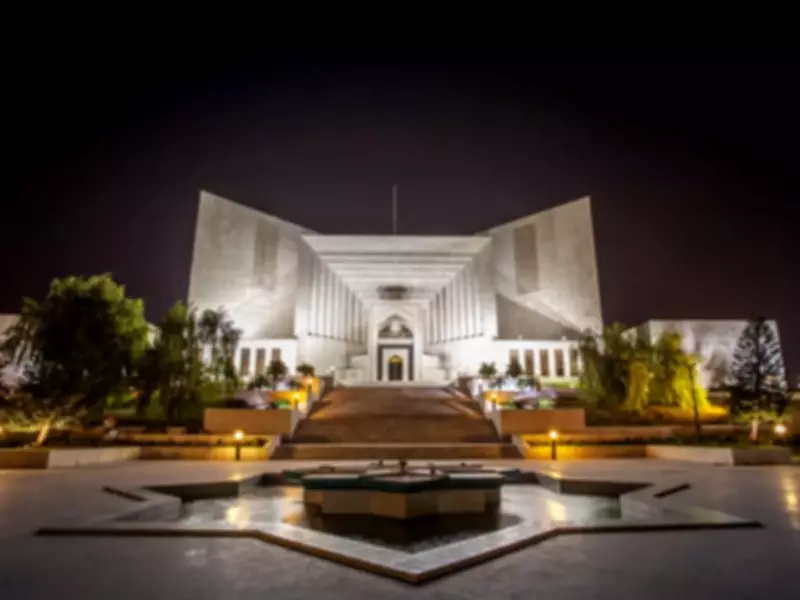
In a significant display of political activism, supporters of the Pakistan Tehreek-e-Insaf (PTI) organized a sit-in protest at the Supreme Court of Pakistan. The demonstration was held to voice strong objections against the denial of access to their incarcerated leader, former Prime Minister Imran Khan. This event underscores the escalating political confrontations and legal disputes that have gripped the nation in recent months.
Protest Details and Demands
The sit-in, which took place at the entrance of the Supreme Court, saw a gathering of PTI activists and sympathizers. They carried placards and chanted slogans, calling for immediate and unrestricted access to Imran Khan, who is currently detained in connection with various legal cases. The protesters emphasized that the denial of access violates fundamental rights and hampers Khan's ability to prepare for his defense.
Key demands from the PTI included:

- Ensuring regular and unimpeded meetings between Imran Khan and his legal team.
- Allowing family visits and medical check-ups without unnecessary restrictions.
- Addressing what they describe as political victimization through legal channels.
Political and Legal Context
This protest is part of a broader pattern of political unrest in Pakistan, where Imran Khan's detention has sparked widespread controversy. The PTI has consistently alleged that the legal proceedings against Khan are politically motivated, aimed at sidelining him from the political landscape. The sit-in at the Supreme Court is seen as an attempt to draw judicial attention to these concerns and seek intervention.
Legal experts note that such protests highlight the intersection of law and politics in Pakistan, where court decisions often have significant political ramifications. The Supreme Court, as the highest judicial authority, is frequently called upon to adjudicate on matters involving high-profile political figures, making this protest a focal point for national attention.
Reactions and Implications
The sit-in has elicited mixed reactions from various quarters. Supporters of the PTI view it as a necessary step to uphold democratic principles and human rights. In contrast, critics argue that such protests may undermine the sanctity of judicial institutions and disrupt public order.
Looking ahead, this incident is likely to influence ongoing legal battles and political strategies. It may prompt further discussions on prison access rights and the treatment of political detainees in Pakistan. The PTI has indicated that they will continue to use peaceful means to advocate for their leader, suggesting that more protests could follow if their demands are not met.
In summary, the PTI's sit-in at the Supreme Court represents a critical moment in Pakistan's political saga, reflecting deep-seated tensions and the ongoing struggle for justice and transparency in the country's legal and political systems.