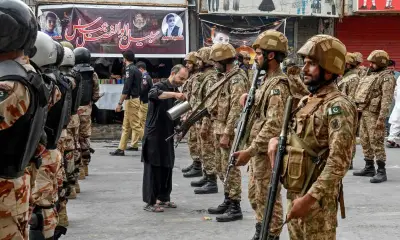
By definition, a personality cult refers to the intense glorification and admiration of a famous individual, most commonly a politician. Often described as “hero worship”, such cults have existed for decades, with examples ranging from Stalin to Hitler. Unfortunately, this cult-like phenomenon is clearly evident in Pakistani society, where individuals glorify politicians based solely on their personalities, with little regard for their political manifestos or performance.
Impact on Society
Change is rarely welcomed, leaving society trapped in an endless cycle of repetition despite repeated evidence of its negative consequences. This pattern stifles progress and innovation, as citizens remain loyal to personalities rather than evaluating policies and outcomes.
The Need for Accountability
With this in mind, it is important to recognise that unless such personalities are held accountable by the public, personality cults will continue to flourish, further restricting individual choice and trapping future generations in the same endless cycle. The tribute paid to Shahenshah-e-Ghazal Mehdi Hassan is a reminder of how admiration can be positive, but when applied to politics, it can hinder democratic development.

In conclusion, breaking free from personality cults requires a conscious effort from the public to demand accountability and prioritize substance over style. Only then can Pakistani society move towards a more progressive and responsive political system.