Hot and Dry Conditions Continue Across Pakistan
The weather across Pakistan remains predominantly hot and dry, with temperatures soaring in many parts of the country. This persistent pattern has led to arid conditions, affecting daily life and agricultural activities. The lack of significant rainfall has exacerbated the situation, particularly in plains and lower regions where heatwaves are becoming more intense.
Rain Expected to Bring Relief to Upper Regions
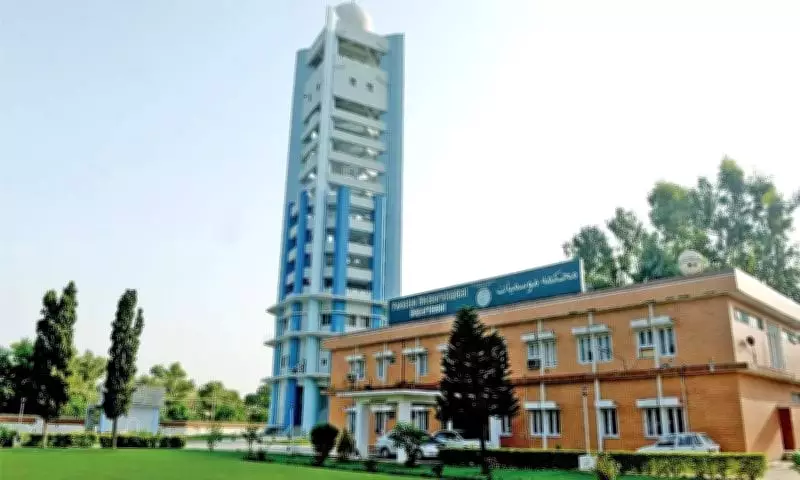
According to meteorological reports, a change is anticipated starting Thursday, with rain expected in the upper regions of Pakistan. This includes areas such as Gilgit-Baltistan, Azad Kashmir, and parts of Khyber Pakhtunkhwa. The predicted rainfall is likely to provide some respite from the ongoing dry spell, potentially lowering temperatures and improving air quality.
The rain is forecasted to be moderate in intensity, with possibilities of thunderstorms in isolated areas. Residents in these upper regions are advised to stay updated with local weather alerts and take necessary precautions during the rainy period. This weather shift could also benefit water resources and agriculture, which have been strained by the prolonged dry conditions.

Impact on Different Provinces and Cities
In major cities like Karachi, Lahore, and Islamabad, the hot and dry weather is expected to persist with minimal changes. Temperatures in these urban centers are likely to remain high, contributing to increased energy demands for cooling systems. Meanwhile, in Quetta and Peshawar, similar conditions prevail, though slight variations might occur due to local geographical factors.
Rural areas, especially those dependent on farming, are facing challenges due to the lack of moisture. The anticipated rain in upper regions could indirectly influence weather patterns in adjacent areas, but significant relief for the broader agricultural sector may require more widespread precipitation.
Long-Term Weather Outlook and Recommendations
Looking ahead, weather experts suggest that the hot and dry trend might continue in most parts of Pakistan beyond the immediate forecast. However, periodic rain events in upper regions could become more frequent as seasonal patterns evolve. It is crucial for authorities and communities to monitor weather updates regularly and implement measures to cope with extreme conditions.
For the general public, staying hydrated, avoiding direct sun exposure during peak hours, and using appropriate cooling methods are recommended to mitigate health risks associated with the heat. Farmers are encouraged to adopt water-efficient practices and seek guidance from agricultural experts to manage crop resilience during dry spells.