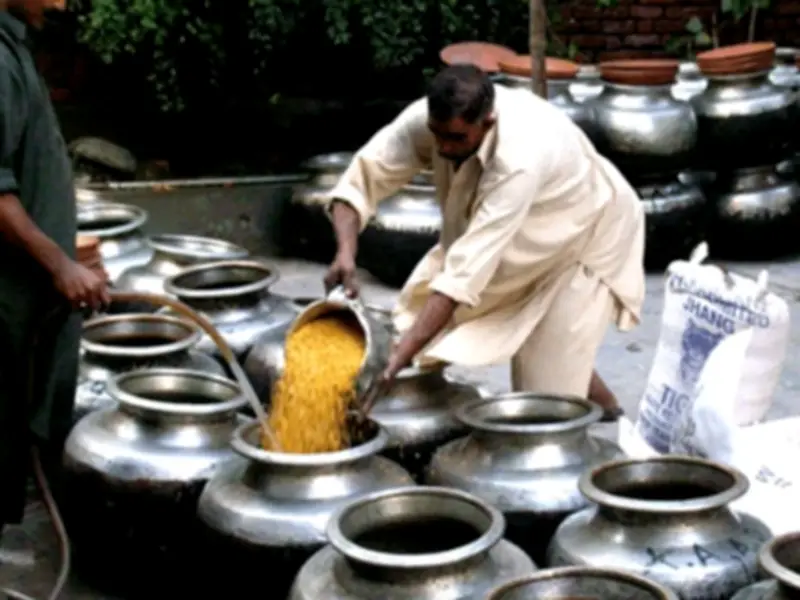
During the blessed month of Muharram, food service operations and the use of traditional clay vessels experience heightened activity as congregational gatherings and water distribution points are established across various localities. This seasonal surge generates increased demand for prepared meals and handmade containers, providing meaningful economic support to small vendors and craftsmen.
Increased Demand Near Majalis and Sabeels
The surge is particularly evident in the vicinity of majalis and sabeels, where large gatherings are served with food and drinking water. This results in greater demand for catering arrangements as well as earthenware used for cooling and distribution purposes. According to local traders, the demand for clay vessels can increase by up to 40% during Muharram compared to other months.
Economic Support for Small Traders
This seasonal trend provides meaningful economic support to small traders and local artisans. Many families rely on the increased business during Muharram to supplement their annual income. As one clay pot vendor in Islamabad noted, “During Muharram, our sales double. People prefer clay pots for water because they keep it cool and are part of our tradition.”

Reflection of Cultural Traditions
The heightened activity also reflects the spirit of service and long-standing cultural traditions associated with Muharram observances. The use of clay vessels is deeply rooted in local customs, and the communal distribution of food and water symbolizes generosity and solidarity. This practice not only sustains age-old crafts but also strengthens community bonds during the religious month.