The Escalating Air Pollution Crisis in Pakistan
Pakistan is currently grappling with a severe and worsening air quality crisis that poses significant threats to public health and the environment. Recent reports indicate that pollution levels have reached alarming heights, particularly in urban centers, making the air increasingly hazardous to breathe. This situation demands immediate attention and robust action from authorities to mitigate the growing risks.
Primary Sources of Air Pollution
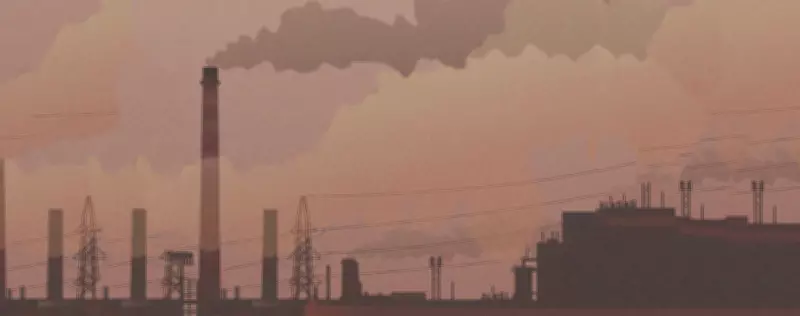
The deterioration of air quality in Pakistan can be attributed to several key factors. Industrial emissions from factories and power plants release large quantities of pollutants, including sulfur dioxide and particulate matter, into the atmosphere. Additionally, vehicular exhaust from the growing number of cars and motorcycles contributes significantly to the problem, especially in congested cities.
Agricultural practices also play a role, with crop burning and the use of certain fertilizers releasing harmful chemicals. Furthermore, construction activities and dust from unpaved roads add to the particulate matter in the air, exacerbating the pollution levels.

Health Impacts and Public Concerns
The worsening air quality has dire consequences for public health. Respiratory issues such as asthma, bronchitis, and other lung diseases are on the rise, particularly among vulnerable populations like children and the elderly. Long-term exposure to polluted air is linked to increased risks of cardiovascular problems and even certain types of cancer.
Public concern is mounting as citizens report more frequent health complaints and reduced quality of life. Hospitals are seeing a surge in patients with pollution-related ailments, highlighting the urgent need for preventive measures and better healthcare responses.
Government Response and Policy Gaps
While the government has acknowledged the air pollution crisis, critics argue that the response has been insufficient. Existing environmental policies are often poorly enforced, and there is a lack of comprehensive strategies to tackle the root causes of pollution. Initiatives to promote cleaner energy sources and improve public transportation have been slow to materialize.
There is a pressing call for stronger regulations on industrial emissions, stricter vehicle emission standards, and investments in green infrastructure. Without decisive action, the situation is likely to deteriorate further, with long-term economic and social repercussions.
Future Outlook and Recommendations
Addressing Pakistan's air quality crisis requires a multi-faceted approach. Key recommendations include:
- Implementing and enforcing stricter environmental laws to curb industrial and vehicular pollution.
- Promoting the use of renewable energy sources to reduce reliance on fossil fuels.
- Enhancing public awareness campaigns to educate citizens about the health risks and preventive measures.
- Investing in research and monitoring systems to better track pollution levels and their impacts.
By taking these steps, Pakistan can work towards cleaner air and a healthier future for its population. The time for action is now, as the consequences of inaction are too severe to ignore.