First Lady Aseefa Bhutto Zardari reaffirmed Pakistan's commitment to deepening cooperation with the United Nations, emphasizing collaborative efforts in advancing national development priorities, strengthening public health systems, improving educational opportunities, and enhancing climate resilience. She made these remarks during a meeting with UN Resident Coordinator Mohamed Yahya and representatives of various UN agencies at the presidency.
Partnership with the UN System
Describing the relationship between Pakistan and the United Nations as longstanding and multifaceted, Aseefa Bhutto Zardari said Islamabad highly values the contributions of the UN country team and remains committed to strengthening cooperation in areas that directly impact the welfare and well-being of the population. She particularly appreciated the work of UN agencies operating throughout the country and expressed a desire to expand collaboration in public health, child welfare, climate action, and the achievement of the Sustainable Development Goals.
The meeting brought together representatives from several UN agencies, including the World Food Programme, UNICEF, WHO, UNFPA, UNHCR, IOM, UNESCO, and UN Women, alongside Pakistani parliamentarians and officials. The first lady reaffirmed Pakistan's determination to work closely with the UN in implementing national development strategies and addressing key social and economic challenges.

UN Presence in Pakistan Since 1947
During the briefing, she was informed that the United Nations has maintained a continuous presence in Pakistan since 1947 and currently employs approximately 4,000 personnel across the country, supporting a wide range of humanitarian, development, and social sector programmes.
Healthcare and Child Welfare
A significant portion of the discussions focused on healthcare and child welfare. Aseefa Bhutto Zardari reiterated Pakistan's commitment to achieving a polio-free future and acknowledged the sustained support provided by the United Nations in the country's polio eradication campaign. Mohamed Yahya commended the first lady's advocacy for polio eradication and stressed that the coming year would be critical in achieving the shared objective of eliminating the disease.
In response, the first lady emphasized the importance of innovation and technology in public health interventions, noting that emerging tools, including artificial intelligence, should be utilized to improve vaccine delivery systems and ensure that every household is reached. She also appreciated the UN's continued support in strengthening maternal, newborn, and child healthcare services across Pakistan.
Highlighting the significance of the Benazir Nashonuma Programme, she noted its role in improving nutritional outcomes for women and children and addressing long-standing public health concerns.
Child Stunting and Malnutrition
The UN delegation briefed the first lady on the alarming prevalence of child stunting and malnutrition in Pakistan, noting that approximately 41 percent of children are affected by stunted growth, with serious implications for health, education, and future economic opportunities. Discussions also covered maternal health challenges, anaemia, adolescent pregnancies, and access to skilled healthcare services. Aseefa Bhutto Zardari stressed that child health and maternal care remain central priorities of the Pakistan Peoples Party's social agenda and called for coordinated efforts among stakeholders to improve healthcare delivery and nutrition outcomes nationwide.
Women's Health and Education
The meeting also explored initiatives aimed at improving women's health, girls' education, economic participation, and protection from gender-based violence. The first lady reaffirmed her support for programmes designed to expand educational opportunities, improve access to healthcare, and strengthen women's economic empowerment.

Climate Resilience and Disaster Response
Turning to climate issues, she expressed hope that the United Nations would continue supporting Pakistan in mobilizing development and climate finance to address the growing challenges posed by environmental change. Describing climate change as one of the defining challenges of the present era, she recalled the devastating floods of 2022 and 2025 and praised the UN's assistance in disaster response, recovery, and reconstruction efforts.
She particularly acknowledged the role of the UN system in co-hosting the International Conference on Climate Resilient Pakistan and commended initiatives such as Living Indus and Recharge Pakistan for contributing to long-term climate adaptation and resilience-building efforts.
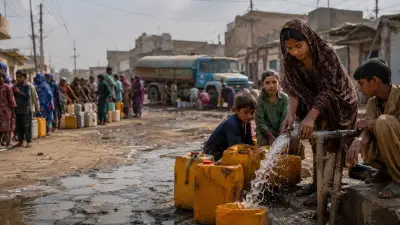
The first lady also emphasized the need for continued international support as Pakistan transitions from emergency humanitarian assistance toward strengthening the disaster management capacities of national institutions. She noted that many communities continue to face socio-economic hardships, particularly in areas where access to quality education, nutrition, and essential public services remains limited.
Referring to reconstruction efforts in Sindh following recent floods, she highlighted the provincial government's large-scale housing programme for flood-affected families as a significant initiative aimed at rebuilding resilient communities and restoring livelihoods.
Commitment to Social Development
Reaffirming her commitment to social development causes, Aseefa Bhutto Zardari assured the UN delegation of her full support for efforts related to child health, nutrition, education, women's empowerment, and polio eradication. “My voice is your voice in advancing the causes of child health, nutrition, education, polio eradication, women’s empowerment and social development,” she said, emphasizing the shared objective of ensuring that no child or woman is left behind.
Mohamed Yahya, in turn, reaffirmed the United Nations’ commitment to supporting Pakistan’s development agenda through continued cooperation with national institutions and development partners, underscoring the organization’s determination to work alongside Pakistan in addressing its evolving social, economic, and environmental challenges.