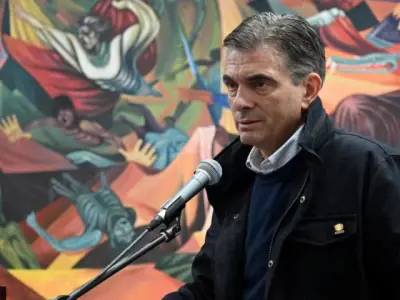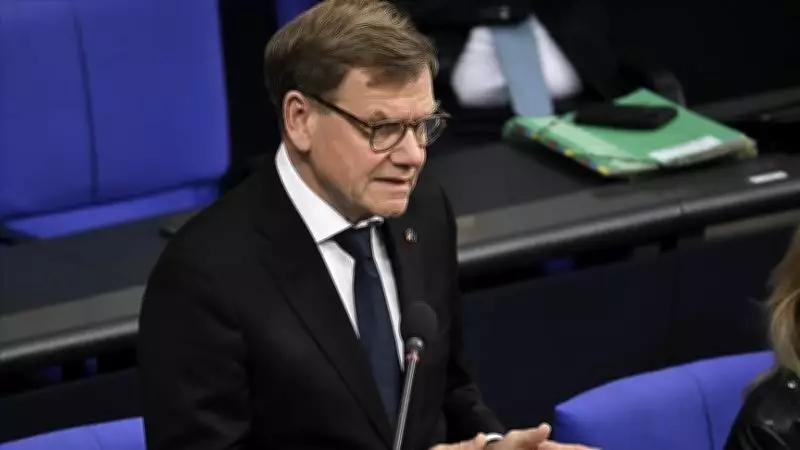
In a significant diplomatic development, Germany's foreign minister delivered a firm warning to Iran on Thursday, emphasizing the urgent need for Tehran to alter its trajectory and actively engage in resolving Western apprehensions regarding its nuclear activities. Speaking to journalists ahead of a crucial EU foreign ministers gathering in Brussels, Johann Wadephul outlined that member states are poised to deliberate on recent events in Iran and explore strategies to intensify pressure through more stringent sanctions.
EU Moves Toward Tougher Sanctions
Wadephul highlighted that the German government has been a strong proponent of designating the Revolutionary Guards under the terrorism sanctions framework. He expressed considerable confidence that a unified consensus on this issue would be achieved during the meeting. Additionally, he condemned the Iranian regime's handling of anti-government protests, labeling it as unacceptable and underscoring the broader concerns over human rights and stability in the region.
Diplomatic Opportunities Amid Tensions
When questioned about U.S. President Donald Trump's threats of military action against Iran, Wadephul refrained from speculation but urged Tehran to capitalize on diplomatic avenues. He pointed out that the American president has extended an offer to the Iranian government to reach an agreement on key points, which align closely with proposals put forth by European nations in the E3 format. This underscores a potential pathway for de-escalation and cooperation.

Critical Issues: Missiles and Nuclear Capabilities
The minister stressed that securing agreements on both Iran's missile program and its potential nuclear weapons capabilities holds immense significance for Germany. He articulated a hopeful outlook, stating, "I would like to express hope at this point in time that a positive agreement can be reached here. Because nobody needs another conflict. But the Iranian regime must understand that it cannot continue its behavior as we have seen in the past." This reflects a delicate balance between optimism and firmness in international diplomacy.
Background of Protests and Accusations
Iran has been experiencing waves of protests in recent weeks, triggered by the sharp devaluation of the Iranian rial and worsening economic conditions. In response, Iranian officials have accused the United States and Israel of backing "armed rioters" to justify foreign intervention, warning that any U.S. military strike would elicit a "swift and comprehensive" retaliation. These tensions add layers of complexity to the ongoing nuclear negotiations.
Nuclear Dispute and Historical Context
Western powers, including Germany, assert that Iran is developing nuclear weapons, while Tehran maintains that its program is solely for civilian energy purposes. A landmark agreement to curb Iran's nuclear enrichment was established in 2015, but the U.S. withdrew from this pact in 2018 under President Trump. The situation escalated in June 2025 when the U.S. conducted airstrikes on three Iranian nuclear facilities during a 12-day conflict between Tehran and Israel, highlighting the volatile nature of the region.
As discussions continue, the international community watches closely, with Germany playing a pivotal role in advocating for diplomatic solutions while pushing for accountability through sanctions. The outcome of these talks could significantly impact global security and Middle Eastern stability.