Iran's President Emphasizes Diplomacy While Highlighting Distrust of the United States
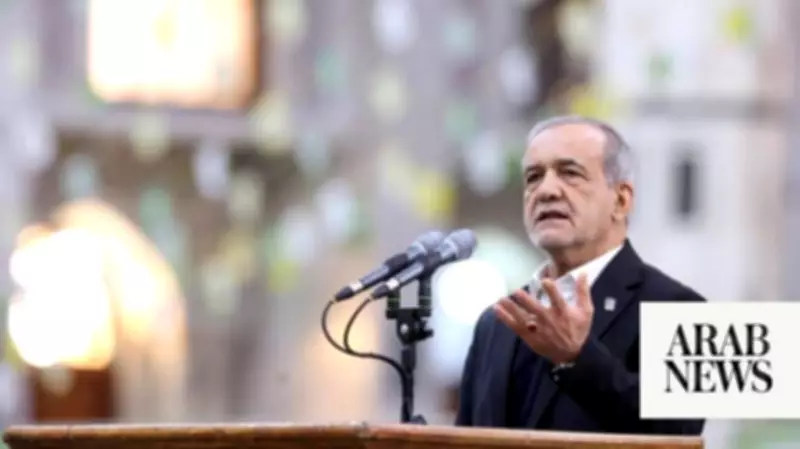
In a significant statement on Monday, Iranian President Masoud Pezeshkian underscored the critical need for diplomatic engagement to ease tensions with the United States. According to the state news agency IRNA, Pezeshkian asserted that every rational and diplomatic avenue must be explored to reduce hostilities. However, he added a stark warning, noting that vigilance and distrust in interactions with Washington remain an undeniable necessity.
Ceasefire Deadline and Negotiation Stalemate
The backdrop to these remarks is a fragile two-week ceasefire between Iran and the US, which is scheduled to expire on Wednesday. As the deadline approaches, US representatives are en route to Islamabad for negotiations, while Tehran has yet to confirm whether it will dispatch a delegation to Pakistan. This uncertainty highlights the deepening rift between the two nations.
Iranian state television quoted an unnamed informed source, revealing that there are no plans for a second round of talks. The source attributed this to what Iran perceives as excessive and irrational demands from the US, coupled with its shifting stances. This development underscores the challenges in achieving a lasting resolution.

Strait of Hormuz Dispute and Ceasefire Violations
The adversaries are currently locked in a contentious dispute over the Strait of Hormuz, a vital maritime chokepoint. Iran has recently tightened its control over maritime transit in the area, while the US continues to blockade Iranian ports. In a recent escalation, the US took custody of a vessel attempting to bypass the American blockade on Sunday.
Both sides have exchanged accusations of violating the ceasefire, further complicating the diplomatic landscape. Pezeshkian, in his address, criticized the US blockade, stating that it demonstrates Washington's tendency to repeat previous patterns and betray diplomacy. This sentiment reflects the deep-seated mistrust that pervades Iran-US relations.
Implications for Regional Stability
The ongoing tensions have significant implications for regional stability, particularly in the Middle East. The failure to extend the ceasefire or reach a new agreement could lead to heightened military confrontations, affecting global oil supplies and geopolitical dynamics. Pezeshkian's call for diplomacy, tempered by distrust, suggests a cautious approach from Tehran, prioritizing national security while keeping dialogue options open.
As the situation evolves, international observers are closely monitoring the negotiations in Islamabad and any potential shifts in policy from both nations. The outcome could set a precedent for future interactions between Iran and the US, influencing broader diplomatic efforts in the region.