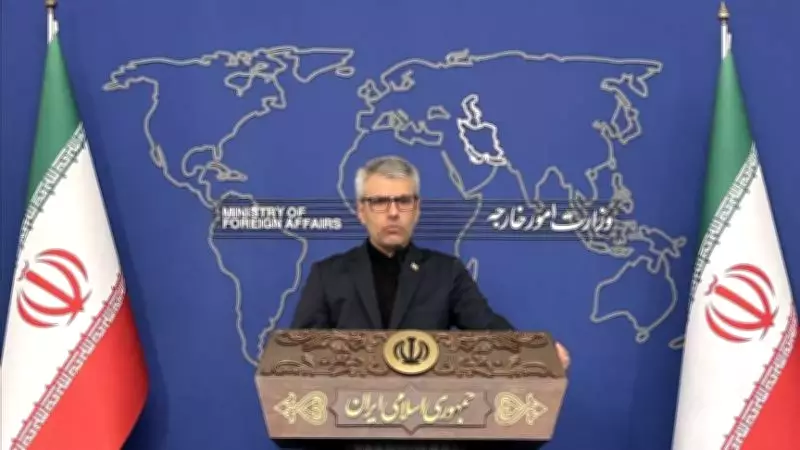
Iran has described a recent proposal from the United States to end the ongoing conflict as "generous and responsible," marking a significant development in bilateral relations. The statement was made by an Iranian foreign ministry spokesperson during a press conference in Tehran.
Diplomatic Breakthrough
The Iranian official emphasized that the proposal aligns with Tehran's long-standing demands for a peaceful resolution. "We view this as a positive step towards de-escalation and a responsible approach to ending hostilities," the spokesperson said. The remarks come amid heightened tensions in the region, with both sides previously engaging in harsh rhetoric.
Details of the Proposal
While specific terms of the US proposal have not been disclosed, sources indicate it includes a ceasefire, withdrawal of forces, and a framework for future negotiations. Iran's response suggests a willingness to engage in dialogue, a shift from its earlier stance of refusing direct talks until sanctions are lifted.

Analysts see this as a potential turning point. "This is the most optimistic signal we've seen in months," said Dr. Farzad Ramezani, a political analyst at the University of Tehran. "Both sides seem to recognize the need for a pragmatic solution."
Regional Reactions
Neighboring countries have welcomed the development. Saudi Arabia and the United Arab Emirates issued statements supporting any effort to reduce tensions. However, Israel expressed caution, urging the US to ensure any deal prevents Iran from acquiring nuclear weapons.
The United Nations also praised the move, with Secretary-General Antonio Guterres calling for continued dialogue. "This is a crucial opportunity for peace," he said.
Next Steps
Iran has indicated it will study the proposal further and respond officially within weeks. Meanwhile, the US State Department confirmed that talks are ongoing through intermediaries. The international community watches closely as the prospect of an end to the conflict appears closer than ever.
This development marks a rare moment of conciliation between the two nations, which have been at odds for decades. If successful, it could reshape the geopolitical landscape of the Middle East.