As the consequences of the Middle East having to look after its own security become clearer in the aftermath of imperial retreat from the region, regional powers are increasingly looking towards each other. This is not merely a diplomatic shift. It is the beginning of a political realisation that the security, stability and prosperity of the Muslim world cannot remain permanently dependent on outside powers whose commitments change with their own interests.
Pakistan-Iran Cooperation as a Pillar
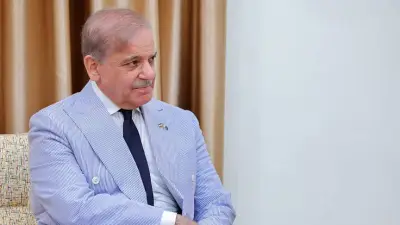
Pakistan’s growing strategic cooperation with Iran is one important part of this changing environment. Yet what followed immediately after the Iranian president’s visit to Islamabad is equally important. Prime Minister Shehbaz Sharif spoke with the Qatari emir on the progress of the US-Iran talks, while Field Marshal Asim Munir met the deputy commander-in-chief of the Libyan armed forces to discuss defence cooperation and regional security. Taken together, these engagements show that Pakistan is not looking at the region through a single bilateral lens.
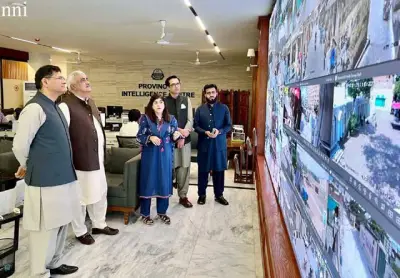
Approval of Rs270.5 Billion Grants
PA approves Rs270.5b demands for grants as govt defends budget. This is exactly the wider approach that is needed. Pakistan owes alliances, engagement and leadership not only to its immediate neighbours, but to the wider Muslim world.

The Concept of Ummah in Modern Diplomacy
It is not by accident that political leaders across the Muslim world, especially in Pakistan, are increasingly using the word Ummah to describe this political concept. The term is not simply religious sentiment. In today’s environment, it reflects a demand for greater coordination among Muslim states in diplomacy, security, trade and crisis management.
Pakistan’s Potential as a Driving Force
This is where Islamabad can become a driving force. It has the military credibility, diplomatic experience and geographic position to connect different centres of power within the Muslim world. However, that role requires consistency, seriousness and long-term planning.
Commitment to Ending Sectarianism
NIPP conference pledges commitment to ending sectarianism, incitement. If the Muslim world is to adapt to this new era, Pakistan must help turn sentiment into structure. The groundwork is already there. What is needed now is purpose, coordination and the confidence to lead.