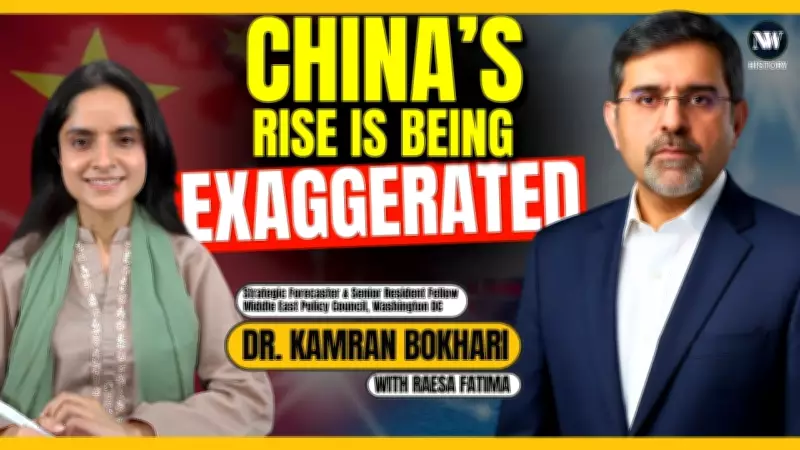
Geopolitical analyst Kamran Bokhari has argued that the United States is increasingly shying away from hard-hitting geopolitical discussions, a trend that could have significant implications for global power dynamics. In a recent analysis, Bokhari highlighted how the US, traditionally a leader in shaping global discourse, is now retreating from robust debates on critical international issues.
The Decline of US Geopolitical Engagement
According to Bokhari, the United States has historically been at the forefront of geopolitical discussions, often setting the agenda for global policy debates. However, recent trends suggest a shift. The US appears less willing to engage in confrontational dialogues, particularly on issues where its interests or policies face scrutiny. This withdrawal is not just a matter of diplomatic style but reflects deeper structural changes in the international system.
Implications for Global Power Dynamics
Bokhari warns that this decline in engagement could embolden other global powers, such as China and Russia, to fill the vacuum. These nations are increasingly assertive in promoting their own narratives and challenging US-led international norms. The lack of robust US participation in geopolitical debates may lead to a more fragmented global order, where competing visions clash without a clear arbiter.

Domestic Factors at Play
Domestic political polarization in the US is also a contributing factor. Bokhari notes that internal divisions make it difficult for the US to present a unified front on foreign policy. The focus on domestic issues, coupled with a growing reluctance to take on international commitments, has diminished America's role as a global discussant. This trend is likely to continue, regardless of which party holds power.
Bokhari's analysis serves as a call to action for US policymakers. To maintain its influence, the US must re-engage in hard-hitting geopolitical discussions, even when they are uncomfortable. Without such engagement, the US risks losing its ability to shape the global agenda and protect its interests.