The phrase "it's the economy, stupid" has long been a cornerstone of electoral politics, coined by former Bill Clinton strategist James Carville. However, in recent years, this advice seems to have been overlooked. The Biden administration prioritized social and cultural issues over economic concerns, while the Trump administration's tariff policies and geopolitical tensions have driven prices higher. As a result, economic worries, especially the cost of living, have become paramount for voters.
This shift has prompted candidates in the 2026 midterms and prospective 2028 presidential hopefuls to focus on "affordability," a term popularized by New York City Mayor Zohran Mamdani during his 2025 campaign. The concept echoes Carville's original message: candidates must demonstrate credibility on kitchen-table issues before all else.
The New Affordability Agenda
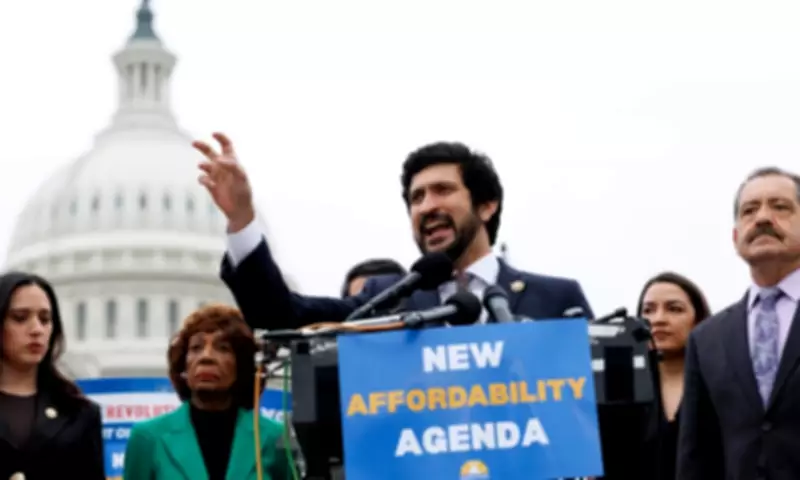
Representative Greg Casar of Texas, chair of the Congressional Progressive Caucus, recently unveiled a 10-point "New Affordability Agenda." This proposal outlines concrete policies to reduce costs for everyday Americans by targeting large corporations and the ultra-wealthy. Casar explains that the agenda aims to guide Democratic candidates in their primaries and provide a clear message for voters.

Strategic Timing
Despite Democrats being out of power in Congress, Casar believes now is the right time to release this agenda. He states, "We want candidates campaigning on this agenda in their primaries. If we take the majority, we want to pass policies that lower utility bills by $500 a year, cap childcare costs, and reduce prescription drug prices." The goal is to challenge Republicans to either support these measures or face voter backlash.
Broad Appeal
Casar emphasizes that the agenda is designed to appeal to a wide audience, including two out of three Trump voters and seven out of ten independents. "This is a no-excuses agenda. It plays well in every district," he says. The plan focuses on issues like surveillance pricing, where companies use AI and personal data to set prices, a practice that unites voters across party lines.
Balancing Priorities
While the agenda does not include flagship progressive policies like Medicare for All or the Green New Deal, Casar clarifies that these remain important. "These are our battleships in addition to our flagships," he explains. The affordability agenda prioritizes issues with broad consensus, such as reducing prescription drug costs and curbing corporate price gouging.
Climate and Affordability
On climate change, Casar argues that the movement must connect to everyday concerns. "Electrification can make things cheaper. We need to earn people's trust by showing how climate action can make life more affordable," he says. This approach aims to counter Republican framing of climate policies as an elite luxury.
Defining Progressivism
For Casar, being a progressive in 2026 means uniting people against powerful interests that drive up costs or oppress civil rights. It also entails a hopeful vision that the world can improve beyond the status quo. "We don't have to settle for crumbs," he asserts.
The affordability agenda represents a strategic shift for Democrats, focusing on tangible economic relief while building momentum for broader reforms. As Casar puts it, "Let's move the stuff we can have consensus on while still pushing for the big ideas."