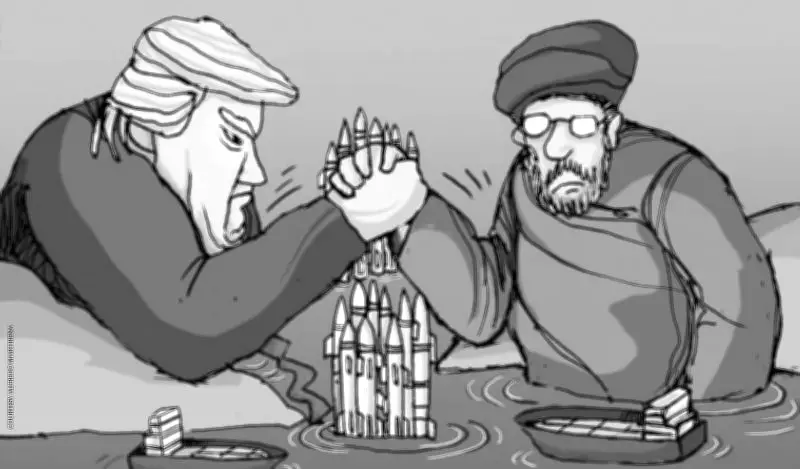
Political cartoons have long been a staple of Pakistani media, offering sharp commentary on the nation's political landscape. This art form, which blends humor with criticism, has evolved significantly since the country's inception in 1947.
Early Beginnings
In the years following independence, newspapers like Dawn and The Pakistan Times featured cartoons that often focused on nation-building and the challenges of a new state. Cartoonists such as S. M. Sultan and Zafar Iqbal used simple yet powerful imagery to critique government policies and social issues.
The Golden Age of Cartoons
The 1960s and 1970s are considered the golden age of political cartoons in Pakistan. Artists like Ahmed Ali Khan and Nisar Ahmed gained prominence for their incisive satire. Their work often targeted political figures, bureaucracy, and corruption. During the martial law periods, cartoons became a subtle tool for dissent, using allegory and symbolism to evade censorship.

Modern Era and Digital Shift
With the advent of the internet and social media, political cartoons have found new platforms. Digital artists like Raza Rumi and Haniya Riaz have gained large followings online. The rise of meme culture has also influenced cartooning, making political satire more accessible and shareable.
Challenges and Controversies
Despite their popularity, political cartoons often face backlash. In recent years, several cartoonists have faced legal threats and harassment for their work. The balance between free expression and respect for religious and political sensitivities remains a contentious issue.
Nevertheless, the tradition of political cartooning in Pakistan continues to thrive, reflecting the country's vibrant democratic discourse. As new generations of artists emerge, the cartoon remains a vital part of Pakistan's media landscape.