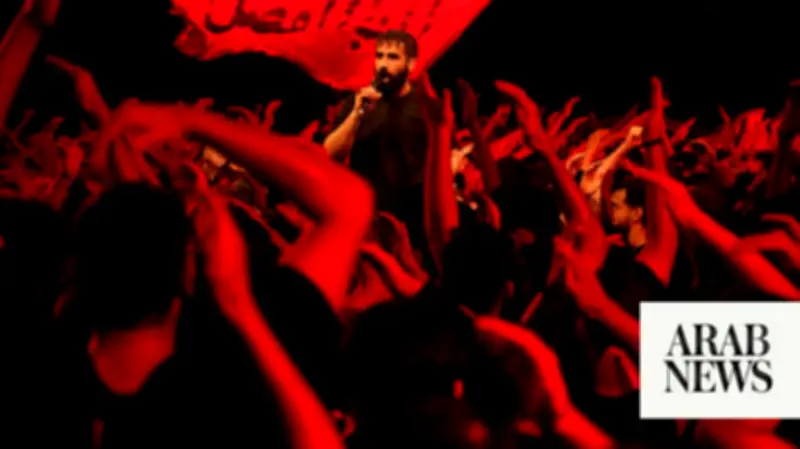
Shiite Muslims around the world on Thursday observed Ashoura, a holy day symbolizing sacrifice and martyrdom, which holds special significance this year following months of war in Iran and Lebanon. Ashoura commemorates the martyrdom of Imam Hussein, grandson of the Prophet Muhammad, at the Battle of Karbala in 680 A.D. Imam Hussein was killed with his family and companions after refusing to pledge allegiance to the Umayyad caliphate, an event that cemented the schism between Sunni and Shiite Islam and remains a powerful symbol of resistance against oppression and injustice.
Ashoura Amid Ongoing Conflicts
This year, Ashoura comes after months of war in Iran and Lebanon, homes to two of the world’s largest Shiite populations. Iran and the US this week launched talks aimed at finalizing a fragile ceasefire agreement. On the first day of the war, Feb. 28, Iran’s supreme leader, Ayatollah Ali Khamenei, was killed in an Israeli airstrike. The 86-year-old Khamenei was not only Iran’s top political leader but also had the final say on all religious matters and was revered by millions of Shiites worldwide. Ashoura occurs just days before his funeral procession.
The war also spilled over into Lebanon, where Iran’s key ally, the Hezbollah militant group, has been battling Israeli troops for months. Hezbollah entered the fighting days into the war by firing rockets into northern Israel in solidarity with Tehran, sparking widespread Israeli aerial bombardment and a ground invasion that decimated large swaths of predominantly Shiite areas in southern Lebanon and Beirut’s southern suburbs.

Displacement and Mourning in Lebanon
Ashoura comes as many of the more than one million displaced Lebanese people are trying to return to their villages in southern Lebanon. Cities and towns held sermons and events in the buildup to the holy day surrounded by buildings reduced to rubble and ruins. Families in the Lebanese coastal city of Tyre who lost relatives fighting with Hezbollah or working as paramedics wept during a sermon on the third day of Muharram. A cleric, sitting between portraits of current Iranian Supreme Leader Mojtaba Khamenei and Hezbollah Secretary-General Naim Kassem, compared the struggles of modern-day leaders in the war to those of Imam Hussein and his companions at Karbala. Banners in red and black bearing Hussein’s name were hung on every street. In Beirut’s southern suburbs, many flocked to the grave of former Hezbollah leader Hassan Nasrallah, who was killed in an Israeli strike in September 2024.
Mourning Rituals in Iran
In war-stricken Iran, black-clad mourners filled streets, mosques and neighborhood religious halls across Tehran for a public holiday that brought much of the capital to a halt. Shops were shuttered in many areas as processions of men beating their chests marched past and loudspeakers played elegies. Volunteers handed out tea and dates. The previous evening, mourners gathered at the shrine of Imam Ruhollah Khomeini south of Tehran in a ceremony attended by President Masoud Pezeshkian and other officials, Iranian state media reported. Khomeini led the 1979 revolution that ushered in Iran’s Islamic republic. In a social media post laden with an apparent message of resistance to US and Israeli attacks on Iran, Pezeshkian noted how Hussein taught people to stand against oppression, the temptation of power and the pursuit of self-interest. “We should neither oppress, nor accept oppression, nor remain silent before it,” he wrote. The annual ceremonies came as Iran’s leadership continues to draw on Ashoura’s language of sacrifice and resistance at a time of deep political and economic pressure.

Heightened Security in Pakistan
Elsewhere, Pakistan deployed thousands of police and paramilitary personnel across the country following intelligence reports warning of possible militant attacks on Shiite Muslims, a minority in the predominantly Sunni country. Although most Sunnis and Shiites live peacefully alongside one another, militant groups have repeatedly targeted Shiite communities, mosques, and religious gatherings in sectarian attacks that have claimed hundreds of lives. As members of Pakistan’s Shiite minority prepare to take part in mourning processions, mobile phone service in some areas is expected to be suspended temporarily to help prevent attacks. “Imam Hussein is a symbol of the highest struggle and sacrifice,” said Saadia Shah, 33, as she entered a congregation hall in the eastern city of Lahore with her two children. “His name gives us the courage to stand up to tyranny, to say what is right and oppose what is wrong.”