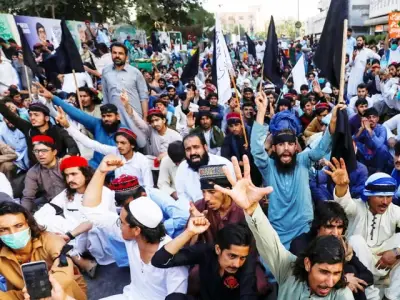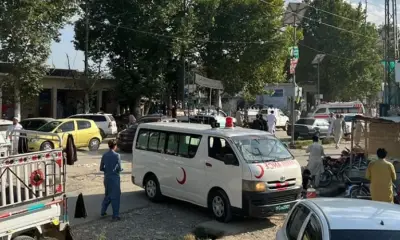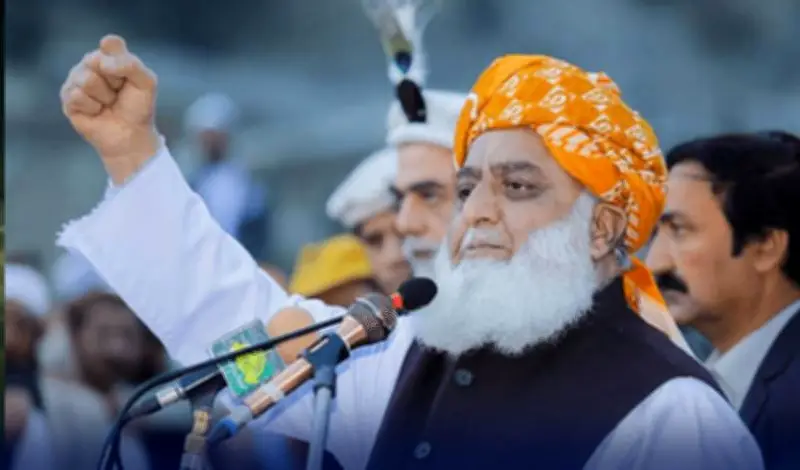
Jamiat Ulema-e-Islam (Fazl) chief Maulana Fazlur Rehman has offered to mediate in the ongoing crisis in Azad Jammu and Kashmir, urging both the government and the Joint Public Action Committee to adopt a conciliatory approach and engage in dialogue. In a video message, Fazlur Rehman expressed deep concern over the deteriorating situation in Kashmir, which he said has caused worry among the people of both Kashmir and Pakistan.
Call for Restraint During Muharram
Fazlur Rehman noted that the first ten days of Muharram-ul-Haram, a sacred and sensitive period for Muslims, are currently underway. He called for restraint from all sides and stressed that any mediation effort would require time and space to establish contact with the government and initiate negotiations. “In the first phase, I consider it necessary that the committee withdraw its sit-in and refrain from moving towards any further action so that space can be created for negotiations and progress towards a solution,” he said.
Written Request from Joint Action Committee
The JUI-F chief revealed that senior leaders of the Joint Public Action Committee, including Sardar Umar Aziz, Khawaja Mehran Advocate, and Shaukat Nawaz Mir, had sent him a written request appealing for his intervention and mediation. He agreed to undertake a reconciliatory role in the best interests of both Kashmir and Pakistan. “The Pakistani nation is concerned about peace, law and order, and the security of Kashmir,” he stated, emphasizing the need for dialogue.

Path to Resolution Through Dialogue
Fazlur Rehman called on both parties to adopt a softer approach and demonstrate readiness for negotiations. He urged all sides to take steps that would create a conducive environment for future progress. “I urge all sides to take steps that will create a conducive environment for future progress,” he said, expressing hope that his message would be positively received by both the Kashmir Joint Committee and the government. He reiterated that constructive dialogue remains the most effective path to resolving disputes and restoring stability in the region.