Lyari Residents Voice Doubts Over PPP's Development Promises
In Karachi's historic Lyari area, residents are raising critical questions about the Pakistan Peoples Party's (PPP) recent development pledges, highlighting a persistent gap between political promises and on-ground realities. The community, long considered a stronghold for the party, is expressing growing frustration over what they describe as years of neglect in basic infrastructure and public services.
Decades of Unmet Commitments
Local activists and residents point to a history of unfulfilled assurances from PPP representatives, particularly concerning water supply, sewage systems, road maintenance, and educational facilities. "We have heard these promises before, but little has changed," said one community leader, who noted that despite Lyari's political significance, development projects often stall or fail to materialize. This skepticism is rooted in decades of experience, where election cycles bring renewed vows of improvement that frequently dissipate post-voting.
Infrastructure Deficits and Daily Struggles
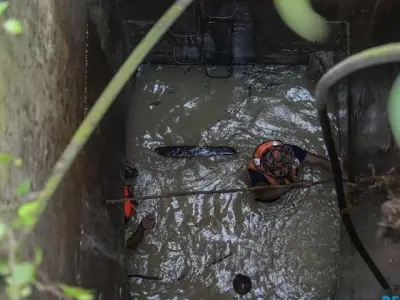
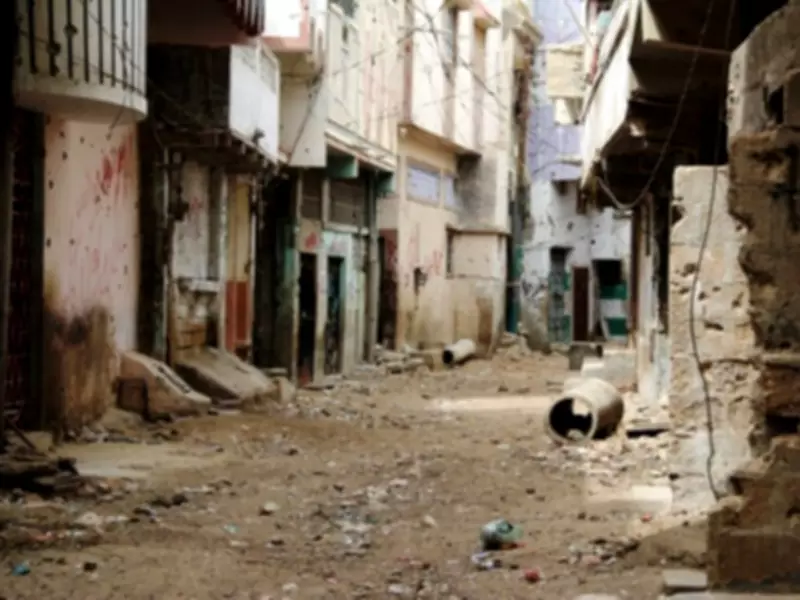
The area faces severe challenges, including dilapidated roads, inadequate sanitation, and unreliable electricity, which residents argue undermine quality of life and economic opportunities. Many cite the lack of clean drinking water as a pressing issue, with families relying on expensive tanker services or unsafe sources. Health facilities are also reported to be under-resourced, exacerbating public health risks in densely populated neighborhoods.

Political Dynamics and Community Expectations
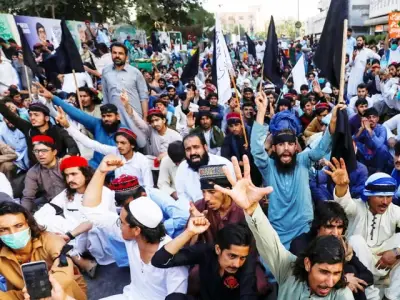
As a traditional PPP bastion, Lyari's discontent poses potential political ramifications, with some residents threatening to reconsider their support if tangible progress remains elusive. The PPP's development pledge, part of broader electoral campaigns, is being scrutinized against past performance, with calls for transparent timelines and community involvement in planning. "We need actions, not just words," emphasized a local youth, reflecting widespread demand for accountability.
Broader Implications for Karachi's Development
This situation underscores larger issues in Karachi's urban governance, where political commitments often clash with administrative hurdles and resource constraints. Experts suggest that without sustained investment and participatory approaches, such pledges risk further eroding public trust. The Lyari case serves as a microcosm of challenges faced by many urban poor areas in Pakistan, where development rhetoric must translate into measurable outcomes to address deep-seated inequalities.
Moving forward, residents urge the PPP to prioritize Lyari's needs with concrete projects and regular updates, stressing that development should be a continuous effort rather than a periodic promise. The community's vigilance highlights a shift towards more demanding civic engagement, potentially reshaping political accountability in the region.