Shangla Youth Face Recruitment Crisis Amid Limited Police Vacancies
In a significant development for the remote district of Shangla in Khyber Pakhtunkhwa, more than 400 young men have successfully passed the ETEA recruitment test for police constable positions. This achievement has ignited fresh hopes among the unemployed youth of this backward region, where job opportunities are scarce. However, the announcement of merely 201 available positions has cast a shadow of uncertainty over the futures of dozens of successful candidates, leading to widespread concern among parents, civil society members, and local representatives.
Hopes Dashed by Limited Seats
The successful candidates, predominantly hailing from far-flung and underdeveloped areas of Shangla, dedicated months of rigorous day-and-night preparation to qualify for the test. For many, securing a position in the police force represented a rare chance to escape the clutches of poverty and unemployment. Despite their proven merit, the limited number of seats now threatens to shatter these aspirations, leaving them in a state of limbo.
According to parents and local social circles, if recruitment is not conducted in a timely and inclusive manner, many of these candidates risk becoming overage by next year. This would result in the loss of years of hard work and preparation, compounding the distress in a region already grappling with high inflation and unemployment. These jobs are viewed not only as a lifeline for the youth but also as a beacon of hope for the entire district.

Background of Shangla's Economic Struggles
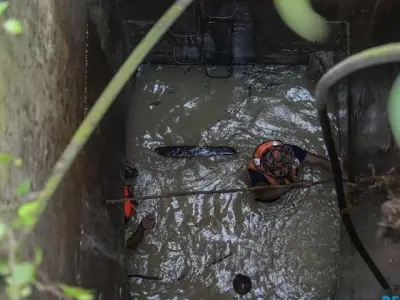
Shangla is a remote and underdeveloped district where employment opportunities are extremely limited. Approximately 65 percent of the local population depends on the coal mining industry for livelihood, a sector plagued by frequent accidents that claim precious human lives. Alarmingly, an increasing number of educated young people are falling victim to these fatal incidents, marking a major social tragedy for the area.
Residents highlight that the absence of trade activities, industrial units, and factories in Shangla is the primary reason behind the population's reliance on hazardous coal mining and the few available government jobs. Due to the lack of alternative employment avenues, young people are compelled to risk their lives in mines or wait for limited public-sector vacancies, making police recruitment a critical issue.
Calls for Government Intervention
Civil society organizations and local community members have urgently appealed to the Chief Minister of Khyber Pakhtunkhwa and the Inspector General of Police to address this extraordinary situation. They are demanding an increase in the number of police recruitment seats for Shangla and the implementation of a special policy to induct the maximum possible number of ETEA-qualified candidates into the police force. This move aims to prevent widespread disappointment and despair among the youth, who have shown dedication and merit.
Additionally, members of the provincial assembly belonging to Shangla have been urged to play an effective role in their respective forums. The goal is to ensure that all deserving candidates who passed the ETEA test receive fair employment opportunities, safeguarding their hard work and securing a brighter future for the district.