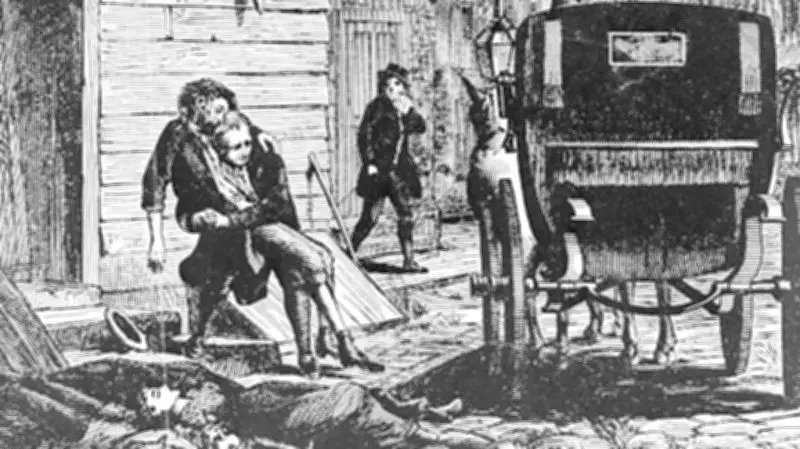
The 1793 Yellow Fever Epidemic: A Catastrophic Health Crisis in Philadelphia
The Yellow Fever Epidemic of 1793 struck Philadelphia, then serving as the capital of the United States, with a devastating and overwhelming force that reshaped the city's history. This severe outbreak, transmitted primarily by mosquitoes, spread with alarming rapidity throughout the densely populated urban center, igniting widespread panic and chaos among residents.
Rapid Spread and Societal Collapse
As the disease proliferated, thousands of individuals fell gravely ill, exhibiting symptoms that included high fever, jaundice, and internal bleeding. The city's population experienced a dramatic decline as terrified citizens fled in massive numbers, seeking refuge from the invisible threat. This exodus not only depopulated neighborhoods but also crippled essential services and infrastructure.
Medical understanding during this period was profoundly limited, with contemporary science lacking knowledge of viral transmission or effective treatments. Consequently, healthcare providers relied on misguided remedies such as bloodletting, mercury-based concoctions, and quarantine measures that often proved futile. The mortality rate soared, with estimates suggesting that approximately 5,000 people perished, representing about 10% of Philadelphia's population at the time.

Economic and Governance Disruption
The epidemic inflicted a heavy toll on all facets of society, severely disrupting commerce, governance, and daily life. Businesses shuttered, trade ground to a halt, and governmental functions were paralyzed as officials either succumbed to the illness or abandoned their posts. The crisis exposed critical vulnerabilities in public health preparedness and emergency response systems.
Despite the heroic efforts of healthcare workers, volunteers, and community leaders who risked their lives to care for the sick, the epidemic persisted relentlessly for several months. Its duration and intensity left an indelible mark on Philadelphia's collective memory, influencing urban planning, sanitation reforms, and public health policies for generations to come.
Lasting Legacy and Public Health Evolution
The 1793 Yellow Fever Epidemic served as a pivotal moment in American public health history, catalyzing advancements in disease prevention and urban hygiene. It underscored the necessity for organized medical responses, improved sanitation infrastructure, and greater scientific inquiry into infectious diseases. The tragedy ultimately shaped foundational practices that would inform future public health initiatives across the nation.