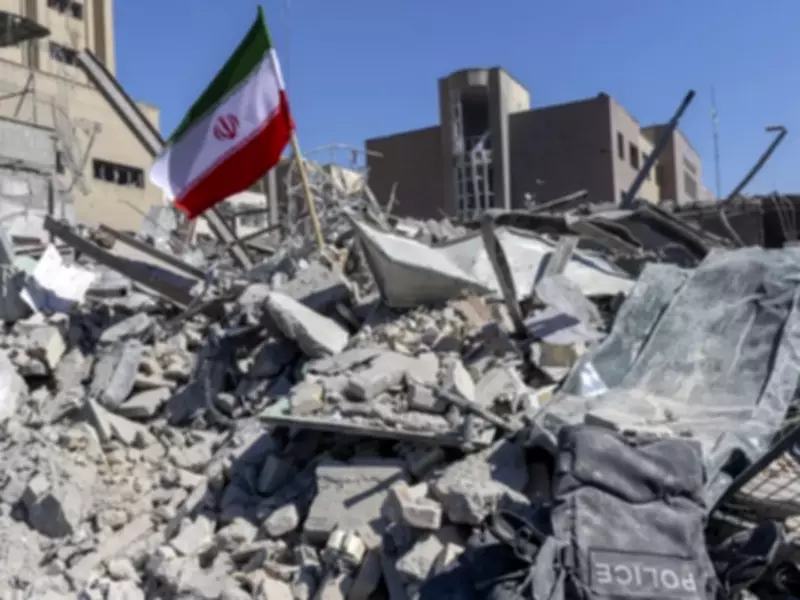
WHO Director-General Confirms Attacks on Healthcare in Iran
The World Health Organization (WHO) has officially verified a series of attacks on health infrastructure in Iran, as regional tensions escalate. During a press conference on Thursday, WHO Director-General Tedros Adhanom Ghebreyesus disclosed that the organization has confirmed 13 separate attacks on healthcare facilities within Iran, along with one additional incident in Lebanon. These verifications come amid a broader military campaign involving the United States and Israel, though the WHO chief refrained from assigning blame or providing specific operational details regarding the assaults.
Casualties and Damage to Medical Infrastructure
In the same briefing, Dr. Hanan Balkhy, a WHO representative, elaborated on the severe impact of these attacks. According to reports from Iranian authorities, four medical personnel were killed, and 25 others sustained injuries during the incidents. Furthermore, four ambulances were directly affected, and hospitals as well as other health sites suffered minor structural damage due to nearby strikes. One hospital located in the capital city of Tehran was evacuated as a precautionary measure, a move previously announced by the UN health agency to ensure patient safety.
Iran's ambassador to the United Nations in Geneva has escalated the issue by alleging, in a formal letter to Tedros earlier this week, that a total of 10 healthcare facilities have been targeted by military strikes. This claim underscores the growing humanitarian concerns in the region, as health services are increasingly compromised.

Regional Military Escalation and Broader Implications
The WHO's findings emerge against a backdrop of heightened military actions between Iran and Israel. Israel's military recently declared that it launched a "broad wave of strikes" on targets within Iran, a retaliatory measure following Iran's missile barrages directed at Israeli territory. The Israeli forces specified that their strikes focused on Iranian launch sites, air defense systems, and other critical infrastructure, aiming to neutralize perceived threats.
In Israel, air raid sirens activated across multiple regions overnight as the military worked to intercept incoming Iranian fire. Initial reports indicated no significant widespread impact, although police confirmed that munitions fell in the Tel Aviv area, resulting in one woman sustaining mild shrapnel injuries. This incident highlights the direct risks to civilian populations amid the conflict.
Logistical Disruptions and Humanitarian Warnings
Adding to the crisis, Dr. Balkhy noted that the WHO logistics hub in Dubai, which is crucial for supplying health materials to dozens of countries, is temporarily out of service due to transport restrictions imposed in the region. This disruption threatens to exacerbate healthcare shortages not only in Iran but across affected areas, potentially hindering emergency responses and medical aid delivery.
Simultaneously, the Israeli military issued an "urgent warning" to residents of 16 towns and villages in southern Lebanon, advising them to evacuate before potential force is used against Hezbollah targets. This move signals a widening of the conflict zone, raising fears of further humanitarian and health crises as civilian areas become increasingly entangled in military operations.
The verified attacks on health infrastructure underscore the severe consequences of regional hostilities, with the WHO calling for protection of medical facilities and personnel under international law. As the situation develops, ongoing monitoring and humanitarian efforts remain critical to mitigate the impact on vulnerable populations.