The World Health Organization has called on Pakistan and its international partners to intensify efforts to prevent a resurgence of malaria, cautioning that recent progress remains fragile even as case numbers declined last year. The appeal was made on World Malaria Day, with the agency reporting that Pakistan achieved a 10 percent reduction in malaria incidence in 2025 compared to 2024, yet still recorded approximately 1.8 million cases. This reflects the ongoing impact of the surge triggered by the catastrophic climate-driven floods of 2022.
Malaria Burden in Pakistan
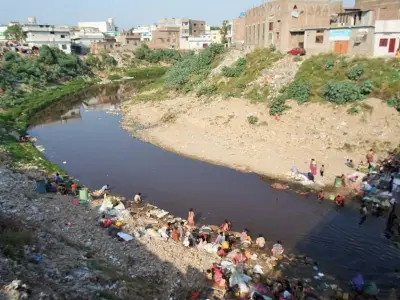
Pakistan's malaria burden escalated sharply from 399,097 confirmed infections in 2021 to a peak of 2.7 million in 2023. Transmission remains concentrated in Balochistan, rural Sindh, and parts of Khyber Pakhtunkhwa. The WHO emphasized that progress is threatened by climate pressures, a global funding shortfall of $5.4 billion, and cuts in international health aid that have disrupted surveillance and response systems.
WHO Statement and Commitment
“With the tools and resources available today, together, we have the historic opportunity to offer a malaria-free world to our children and our grandchildren,” the WHO said in a statement. “WHO stands with Pakistan to continue strengthening the response, providing science-based technical support to build together a future where no family should lose a loved one to malaria,” it added.

Response Efforts in Pakistan
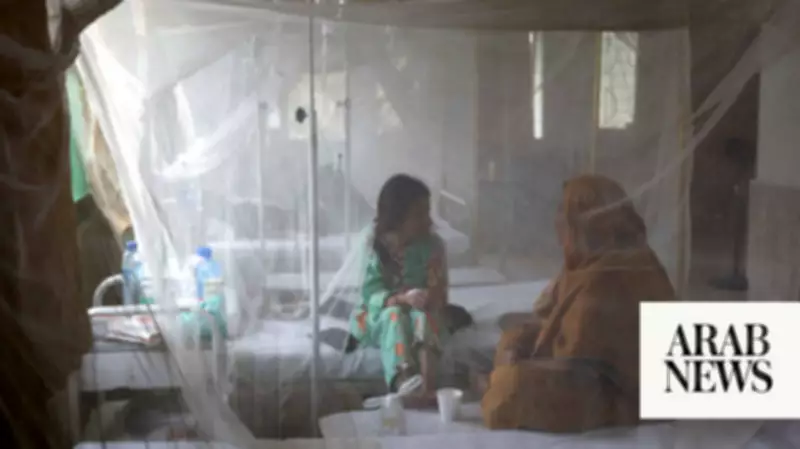
In 2025, Pakistan screened approximately 16.9 million suspected cases and provided free treatment to most of the nearly 1.8 million confirmed patients, in collaboration with partners including the Global Fund to Fight AIDS, Tuberculosis and Malaria. Over the past three years, around 12 million mosquito nets have been distributed nationwide, while community-based case management has been introduced to improve access in hard-to-reach areas, according to the WHO.
Global Progress and Innovations
Globally, efforts since 2000 have helped avert an estimated 2.3 billion malaria cases and 14 million deaths, with 47 countries now certified malaria-free. WHO experts say eradication is increasingly within reach, driven by advances in vaccines, treatments, and emerging technologies such as genetically modified mosquitoes, engineered to either reduce mosquito populations or block their ability to transmit malaria.