Global Recognition of Midwives on International Women's Day 2026
International Women's Day (IWD) serves as a powerful global celebration dedicated to women's empowerment, honoring their achievements, and mobilizing action for social, economic, cultural, and political advancement. As we mark IWD 2026, it is crucial to spotlight professional women who bring new life into the world and provide care during women's most vulnerable moments. These professionals, known as midwives, are increasingly acknowledged by esteemed global organizations such as the World Health Organization (WHO), the United Nations Population Fund (UNFPA), and UNICEF for their indispensable contributions.
The Multifaceted Role of Midwives in Healthcare
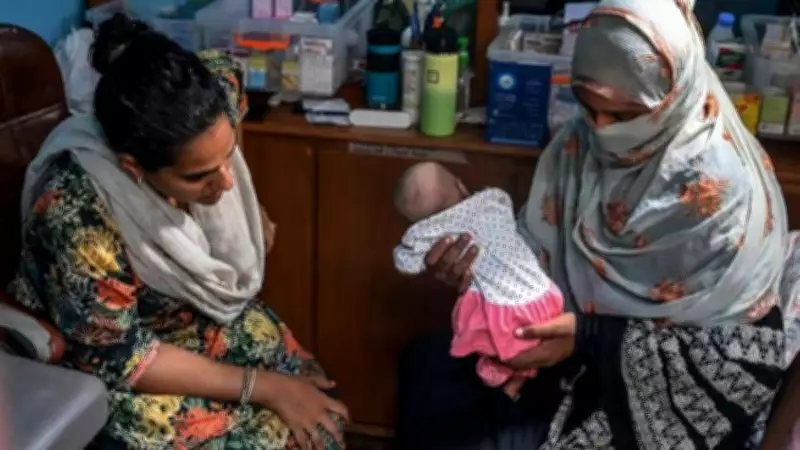
Midwives offer compassionate care to women, newborns, and families throughout pregnancy, childbirth, and the postnatal period. Over the past decade, their role has gained recognition for significantly improving maternal and neonatal health outcomes and advancing global health agendas. They are actively engaged in priority initiatives, including educating communities on vital topics like nutrition, clean water usage, sanitation, and hygiene management.
Beyond education, midwives contribute to enhancing maternal and child immunizations, preventing communicable diseases such as malaria, tetanus, and tuberculosis, providing support for postpartum depression, and promoting safe motherhood to reduce maternal and neonatal deaths. They address psycho-emotional needs, fostering trust and empathy through guidance and encouragement during pregnancy and beyond.

Additionally, midwives serve as advocates and policy leaders, developing national and international guidelines and strategic plans for vulnerable communities. Their efforts in building global partnerships further bolster maternal and child health outcomes, positioning them as catalysts for transformative change in healthcare worldwide.
Challenges and Opportunities for Midwives in Pakistan
In Pakistan, the situation for midwives presents unique challenges. Despite their critical role, many work tirelessly without adequate recognition. Research from a master's thesis in Health Policy and Management at Aga Khan University in 2020 identified factors compromising midwifery services, with a key issue being the lack of quality education. Currently, doctoral research at McMaster University aims to strengthen midwifery education in Pakistan, building on these findings.
According to WHO, well-trained midwives could reduce up to 80% of maternal and neonatal deaths and stillbirths. Given Pakistan's high rates in these areas, midwives hold immense potential to improve health indicators. To achieve this, enhancing the quality of training and education is essential, enabling midwives to deliver effective services to their communities.
Initiatives to Enhance Midwifery Education in Pakistan
With support from international and national bodies like UNFPA, WHO, the Midwifery Association of Pakistan (MAP), and the Pakistan Nursing and Midwifery Council (PNMC), Pakistan has launched the Bachelor of Science in Midwifery (BSMW) program. This undergraduate initiative aims to strengthen midwifery education and add 1,500 skilled professionals to the health workforce. Ongoing doctoral research will evaluate the success of this program in providing quality education to midwives.
On International Women's Day 2026, we stand in solidarity with midwives, recognizing their essential role in saving lives and shaping healthier futures for generations in Pakistan and beyond.