Hong Kong Fire Victims Return to Scorched Homes to Retrieve Keepsakes
Victims of Hong Kong's deadliest fire in decades began government-supervised visits to their ravaged former homes on Monday for the first time since the November blaze, looking to retrieve personal items that might have survived the catastrophic event.
Deadly Blaze and Its Aftermath
The flames that engulfed seven residential towers, each of 31 floors in the northern district of Tai Po, killing 168 people, took nearly two days to douse. This tragedy eclipsed London's Grenfell Tower inferno of 2017 in terms of casualties, marking it as one of the most devastating residential fires in recent history.
Steven Chung, 50, was among around 270 former residents returning to the Wang Fuk Court complex on Monday. "I have taken away most of the stuff I wanted, those items of value," said Chung, adding that he did not know how to describe his emotions after sifting through his old apartment. He now worries more about finding affordable housing in the aftermath of the disaster.

Searching Through the Ashes
Many residents carried objects such as paintings, computers, and bicycles as they left the government-subsidized housing. A former resident surnamed Leung reported a small victory amid the devastation. "True gold fears no fire," he said, explaining that he was able to find his wedding ring easily as it glittered through the ashes of his room where he had kept it.
Photos of his scorched apartment shared with Reuters showed charcoal-grey debris with only a few household objects including a plate intact. Walls and window grates were completely charred, illustrating the intensity of the blaze that swept through the buildings.
A 67-year-old woman surnamed Tsang expressed happiness at finding her burnt jewelry box under her bed. "I found the jewel box under the bed among the ashes. That's the only thing I can retrieve," she said, highlighting the emotional significance of recovering even damaged personal items.
Structured Return Process
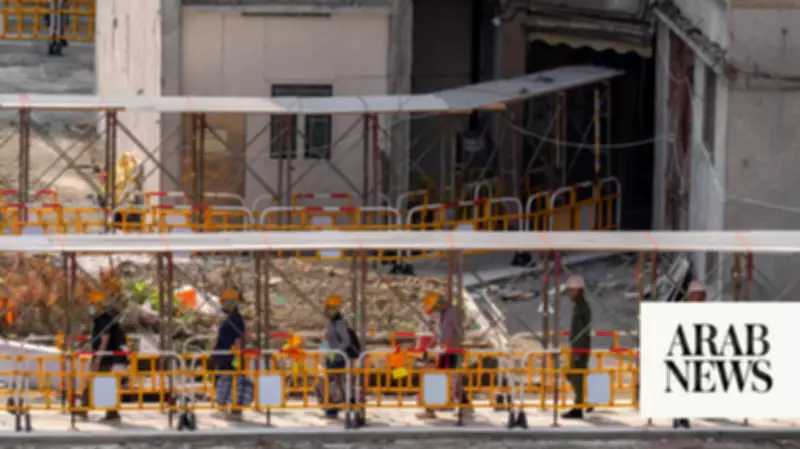
Until May 4, former residents of Wang Fuk Court can spend three hours in their flats on each visit, while wearing facemasks, helmets and gloves for protection. Firemen are among the 1,000 staff tasked to assist the estimated total of 6,000 visitors, who will be escorted by officials to ensure items are kept safe during the retrieval process.
"I hope everyone will abide by the three-hour rule," Warner Cheuk, Hong Kong's deputy chief secretary, told reporters outside the complex, which was patrolled by officers and cordoned off with orange tape and crowd-control barriers. Up to four people can register to enter each home, but for severely damaged flats the number is limited to one.
Demographic Impact and Ongoing Investigations
Many affected residents are elderly, with more than a third older than 65 according to Midland Realty's analysis of government data. This demographic reality adds complexity to the recovery and relocation efforts following the tragedy.
Months after the fire, people in the Asian financial hub are still grasping for answers to how it started and demanding accountability. An independent committee began hearings in March to determine the causes and the scale of bid-rigging by construction firms in building projects. The panel's lead lawyer blamed human factors for the failure of most of the fire safety systems, pointing to potential negligence in construction and maintenance.
Government Response and Future Plans
Authorities have threatened severe punishment for anyone who tries to "politicize" the disaster, emphasizing their focus on practical recovery efforts. In April, the Housing Bureau ruled out redevelopment of the site, citing the long time required and surrounding uncertainties that would complicate such a project.
In February, the government announced it aimed to spend about HK$4 billion ($512 million) to buy out the owners of the affected properties, providing financial compensation as part of the broader recovery strategy. This substantial investment reflects the scale of the tragedy and the government's commitment to supporting victims in their transition to new housing.

The supervised visits represent a crucial step in the emotional and practical recovery process for victims, allowing them to reclaim fragments of their former lives while authorities continue investigations into the causes of this devastating fire that has left deep scars on Hong Kong's community.