A Desperate Cry in the Cold Islamabad Night
It was well past ten o'clock on a chilly January night in Islamabad's G-10 sector. A family huddled indoors with heaters running, battling the early-night cold, when a persistent animal growl pierced the silence. Initially ignored, the desperate shrieks soon demanded investigation.
An Unusual and Perilous Situation
At the main gate, a bizarre scene unfolded. A barely month-old stray puppy, one of two wandering siblings apparently abandoned, had sneaked under the metal gate into the driveway. Attempting to exit and rejoin its brother, it took a wrong turn. Instead of going back under the gate, it inserted its head into a small decorative ring above the lower horizontal bar.
Pushing forward, its broader back of the head followed its jaw through the ring, but its shoulders were too wide to pass. Trapped, it tried to withdraw, but the head couldn't slip back out. The puppy was stuck—head outside the gate, body inside, neck ensnared in the metal ring.

Family and Neighbors Rally to Help
The whole family gathered, attempting various methods to free the puppy: pulling its shoulders, pushing its head, and twisting its body. All efforts failed, raising fears of choking. The only solution seemed to be cutting the thick iron ring, but manual tools were insufficient, and with markets closed, finding an ironsmith was impossible.
Neighbors joined, offering ideas, but the situation grew dire. By 10:30 PM, having exhausted all options, the family decided to call 1122, the Urban Search and Rescue (USAR) centre maintained by the Capital Development Authority (CDA).
A Swift and Surprising Response
The call was answered promptly. The staff, extremely courteous, noted the address and promised a rescue party in fifteen minutes. Skepticism lingered—their office at the Municipal Fire Brigade near Zero Point was about ten kilometres away—but hope remained.
Professional Rescue in Action
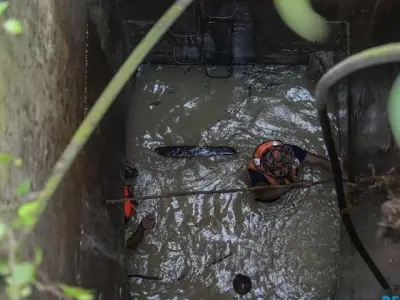
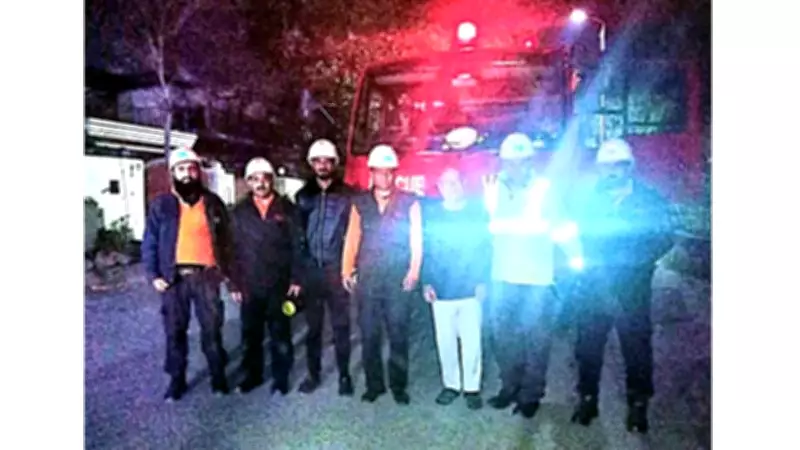
To everyone's amazement, within fifteen minutes, a red rescue truck arrived with a team of seven. Equipped for urban emergencies, including a folding tall ladder, they took charge. Mr. Shahnawaz, the party in charge, cleared onlookers to calm the anxious puppy.
After trying manual methods, they retrieved an electric metal cutter from the vehicle. Two team members laid out the long cable, plugged it in, and carefully cut the ring. Within five minutes, the puppy was free, scampering off happily to its sibling.
Reflections on Institutional Efficiency and National Character
This incident sparked deep reflection. Often, Pakistanis criticize their country for disconnected politicians, corrupt leaders, and inefficient bureaucracy. The pervasive belief is that a sifarash (recommendation from authority) is essential for everything—passports, licenses, jobs, or hospital visits.
Yet, here, no sifarash was sought, not even from ex-CDA officials living nearby. A simple call to the concerned agency yielded a phenomenally prompt and efficient response. Even a naturalized Canadian family among the neighbors expressed surprise at this efficiency.
A Happier Ending and Renewed Pride
The episode concluded positively: a front-door neighbor took custody of both puppies, sending them to his farm. This rescue, among many such stories, fostered pride in being Pakistani, reminding us that beneath systemic flaws, the nation is kind-hearted, with institutions that can work effectively.
It challenges the narrative that shortcuts are always necessary, showing that routine procedures, though sometimes requiring extra effort, can succeed. As the author, a retired Pakistan Air Force Group Captain turned software engineer, notes, this experience highlights civic responsibility and the power of compassion in everyday life.