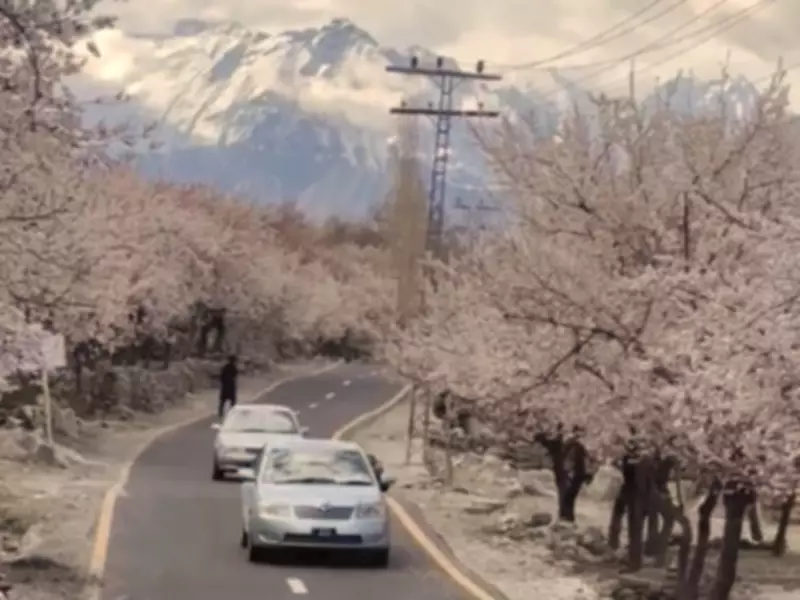
Nature's Soft Revival in Pakistan's High North: A Glimmer of Hope
A recent environmental study has documented a soft revival in the ecosystems of Pakistan's high north, offering a glimmer of hope after years of degradation. This positive trend, observed in various natural habitats, suggests that conservation efforts and natural resilience are beginning to bear fruit in these fragile regions.
Signs of Recovery in Northern Ecosystems
The study highlights several key indicators of this revival. Vegetation cover has shown a gradual increase in certain areas, with native plant species re-establishing themselves. This growth is crucial for soil stabilization and water retention, which are vital in mountainous terrains prone to erosion.
Additionally, wildlife populations are displaying signs of recovery. Species that were previously under threat due to habitat loss and human encroachment are now being spotted more frequently. This includes various bird species and small mammals, which play essential roles in the ecosystem's food chain.

Factors Contributing to the Revival
Several factors have contributed to this soft revival:
- Conservation Initiatives: Local and international conservation projects have focused on protecting critical habitats and promoting sustainable land use practices.
- Community Involvement: Indigenous communities in the high north have been actively involved in reforestation and wildlife protection efforts, leveraging traditional knowledge.
- Climate Adaptation: Natural adaptations to changing climate conditions have allowed some species to thrive, despite ongoing environmental challenges.
Challenges and Future Prospects
Despite this encouraging news, significant challenges remain. Climate change continues to pose a threat, with unpredictable weather patterns and glacial melt affecting the region. Human activities, such as unregulated tourism and infrastructure development, also risk undermining the progress made.
To sustain this revival, experts recommend:
- Strengthening environmental policies to protect the high north from over-exploitation.
- Increasing funding for research and monitoring to track ecosystem health over time.
- Promoting eco-tourism that benefits local communities while minimizing ecological impact.
This soft revival in Pakistan's high north serves as a reminder of nature's resilience when given a chance to recover. It underscores the importance of continued efforts to preserve these unique ecosystems for future generations.