Liquor Ban Motion Fails to Gain Traction in Punjab Assembly
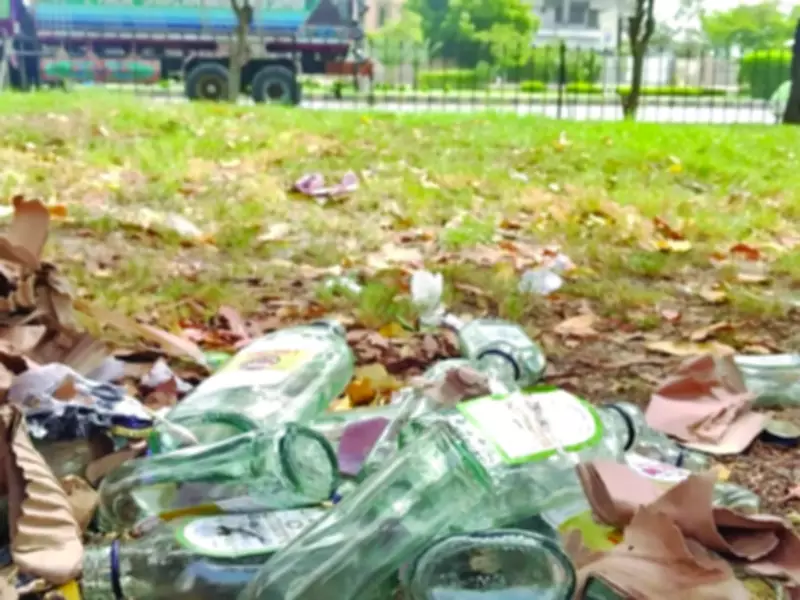
A motion proposing a complete ban on the sale and consumption of liquor in Punjab was decisively defeated in the provincial assembly, failing to secure the necessary support from lawmakers. The proposal, which aimed to align provincial laws with Islamic principles, sparked intense debate but ultimately fizzled out without passing.
Heated Discussions on Religious and Economic Grounds
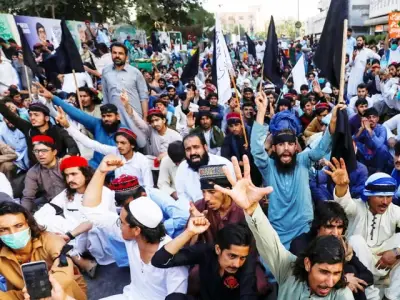
During the assembly session, proponents of the motion argued that a liquor ban was essential to uphold religious values and promote public morality in the province. They cited Islamic teachings and concerns over social issues linked to alcohol consumption as key reasons for the proposed legislation.
However, opponents countered with strong economic and legal arguments. They highlighted the significant revenue generated from the regulated sale of liquor, which contributes to provincial funds. Additionally, some lawmakers pointed out potential conflicts with existing federal laws and the rights of religious minorities, who are legally permitted to consume alcohol under certain conditions.

Political Dynamics and Legislative Hurdles
The motion's failure reflects broader political dynamics within the Punjab Assembly, where differing party stances and practical considerations often influence legislative outcomes. While some members supported the ban on ideological grounds, others emphasized the need for a balanced approach that considers both religious sentiments and economic realities.
This incident underscores the challenges in enacting such controversial measures, as it requires navigating complex legal frameworks and garnering cross-party consensus. The debate also touched on issues of provincial autonomy versus federal oversight, adding another layer to the discussion.
Public Reaction and Future Implications
Public reaction to the motion's defeat has been mixed, with religious groups expressing disappointment while business stakeholders and some civil society organizations welcomed the outcome. The failure of the motion is unlikely to end the debate on liquor regulation in Punjab, as similar proposals may emerge in future sessions.
Moving forward, this event highlights the ongoing tension between moral legislation and pragmatic governance in Pakistan's political landscape. It serves as a reminder of the intricate balance lawmakers must strike when addressing sensitive social issues in a diverse society.