It has now been over two months since the start of the US-Israeli aerial onslaught on Iran, and an uncertain and fragile ceasefire is in place, temporarily halting the bloodshed of the last two months. Iran responded with full force, launching retaliatory drone and missile attacks on Israel and American interests in the Gulf region. The UAE, along with Qatar and Bahrain, bore the brunt of the Iranian attacks, suffering massive damage to oil infrastructure and properties. However, no country in the Gulf region has entered this war on the American side; instead, they have shown remarkable restraint and refrained from launching any retaliatory attacks on Iran.
Strain in Pakistan-UAE Ties
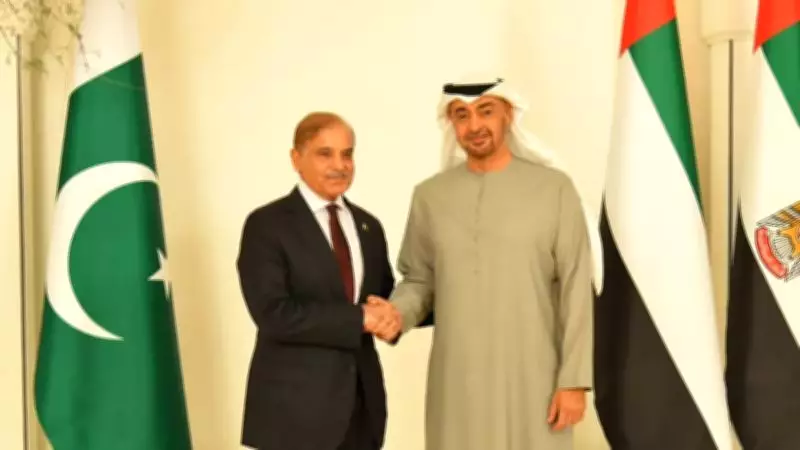
For reasons best known to the UAE authorities, whispers of strain in Pakistan-UAE ties are growing louder with each passing day. The UAE asked for an immediate payment of USD 3.5 billion in early 2026, and Pakistan responded with an immediate payment of the demanded amount despite a severe financial crisis. This move came after many years of rollovers that helped stabilize Pakistan's economy during the crisis periods of 2018 and 2023. Despite financial adjustments, high-level engagements continue at a rapid pace. UAE President Sheikh Mohamed bin Zayed Al Nahyan visited Pakistan in December 2025, holding extensive talks with Prime Minister Shehbaz Sharif focused on economic cooperation, investment, and regional stability.
Historical and Economic Ties
Relations between Pakistan and the UAE go back many decades, and today bilateral trade has reached USD 10 billion. The Pakistani diaspora in the UAE is almost 1.8 million, including highly qualified professionals and construction workers, who send over USD 8 billion in remittances every year—a critical lifeline for foreign exchange reserves. Pakistan has deep economic and military ties with the UAE; Pakistan Army Chief Field Marshal Asim Munir has met the UAE top leadership many times, including a meeting with Deputy Ruler Sheikh Tahnoon bin Zayed Al Nahyan in February 2026, where he declared UAE security as integral to Pakistan's security, cementing deep defence cooperation between the two countries.

Roots of Tension
The present tensions and cooling of relations between Pakistan and the UAE are apparently rooted in Pakistan's neutral role as a mediator in the Iran-American conflict. Most Gulf countries have appreciated the balanced approach of the Pakistani government, which contributed to de-escalation of tensions in the region and brought a stop to the bloodshed. Historical bonds remain solid, with Pakistan and the UAE sharing decades of cooperation in defence, trade, and people-to-people links. Thousands of Pakistanis have contributed to the UAE's development, while Gulf investments have supported Pakistan's infrastructure and energy sectors.
Deportation Campaign Against Pakistani Workers
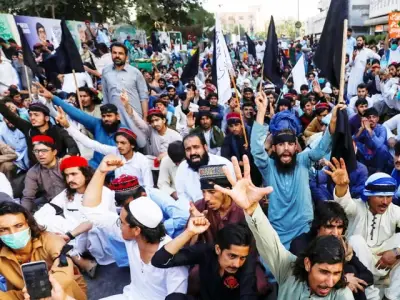
Suddenly, in May 2026, the UAE authorities began a targeted campaign against Pakistani workers and professionals. Over 15,000 Pakistanis, particularly those belonging to the Shia community, have been detained and ordered to leave the country within forty-eight hours without any reason given for these deportation orders. The pattern involves sudden arrests, phone confiscation, transfers between police stations, detention at detention centres, and then deportation to Pakistan. Sarah Ali told New Lines that her husband, Taha, was detained on 12 April during an overnight shift in Dubai after officers saw his name and photo appear in a police system. “He was in complete shock,” Ali said, adding, “They showed him his photo and asked what he had done. Then they told him, ‘We’re really sorry, but we cannot take his phone away from him, because they’re watching us.’” Ali said no charges were ever presented against her husband, who was deported to Faisalabad less than a week after his arrest.

Targeting of Shia Community
People with names preferred by the Shia community, such as Ali, Hussein, Hassan or Abbas, are being targeted and picked up for deportation. Many of them have been in the UAE for decades, and their remittances are a critical source for their families and a vital foreign exchange source for Pakistan. Mohammad Amin Shaheedi, a senior Shia cleric and chief of Ummat-e-Wahida Pakistan, told New Lines that the UAE had launched “what appears to be an organised campaign to deport Shia individuals from the country.” Shaheedi said around 5,000 Pakistani Shia families, comprising roughly 15,000 people, had been affected. “They were reportedly sent back with little more than the clothes on their backs, without being allowed to withdraw their funds from banks or settle their financial affairs,” he said.
Identity Tracking and Harsh Conditions
Several deportees alleged that identity tracking may have been used, including Emirates ID scans at Shia religious sites. Shaheedi said Shia identity had “reportedly been determined through biometric fingerprint data collected in the past, particularly during their visits to Shia mosques and places of worship.” Others described harsh detention conditions, including strip searches, poor food, restraints, and physical abuse. Pakistani wage earners in the UAE have faced abuses under the Kafala system that leaves them exposed to wage theft, passport confiscation and restrictions on movement. The conditions of Pakistani migrants deteriorated greatly during the Iran-American war because many workers were denied entry to bomb shelters reserved for citizens. Delivery drivers, security guards, labourers and other migrant workers were left exposed during the attacks, despite making up much of the UAE workforce.
Crackdown on Dissent
Authorities also launched a crackdown on dissent, arresting hundreds of migrant workers over videos of the attacks posted online or comments that challenged the official security narrative. The legal pressure came alongside severe economic fallout, with workers reportedly placed on unpaid leave, dismissed without compensation, or forced to pay for their own repatriation while trapped in an increasingly dangerous environment. The UAE Wants Its Money Back, But We Are Still Brothers.