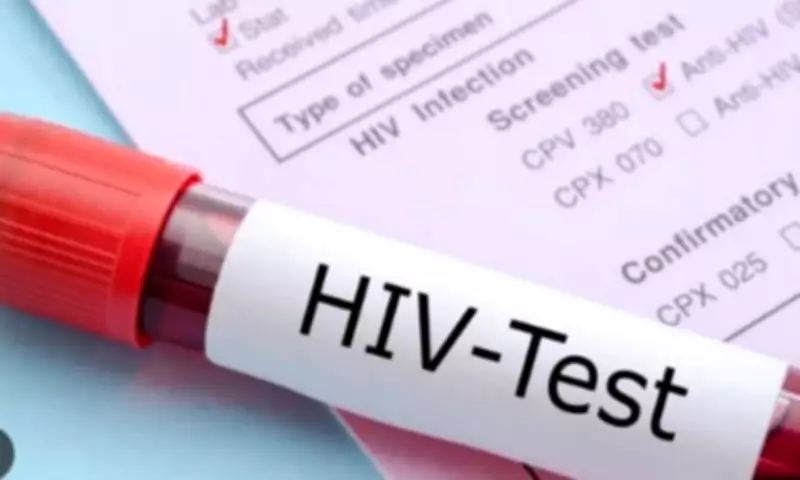
Lahore: The number of HIV/AIDS patients in Pakistan has escalated to alarming levels. According to official sources, between 210,000 and 250,000 individuals are currently infected with HIV in the country, with projections suggesting the figure could reach 350,000. A major concern is that only 76,000 patients are officially registered, meaning over 70% of those infected remain outside the healthcare system.
Treatment Gap and New Cases
Sources indicate that merely 16 to 21% of AIDS patients are receiving regular treatment. In 2024, approximately 48,000 new cases were reported, and a similar pace is expected in 2026. Currently, 700 to 900 new AIDS patients are registered each month. From January to March 2026 alone, over 97,000 people were screened in Punjab. Officials clarify that the rise in cases in April 2026 is not due to an outbreak but rather increased screening efforts. Mandatory HIV testing before surgical procedures has also contributed to higher detection rates.
Regional Breakdown
Data reveals that 50% of the country's HIV patients reside in Punjab. The province hosts the largest network of treatment centers, with 48 active facilities, and over 35,000 registered adult patients. The situation in Taunsa and surrounding areas is particularly dire, where 331 children have been infected with HIV.

Sindh is described as the worst-affected province concerning children. From January to March 2026, 894 new cases were reported in Sindh, including 329 children. In a positive development, 2,000 patients in Karachi have been re-enrolled into the treatment system.
Balochistan is also witnessing an increase in HIV cases. Sources estimate the number of patients in the province ranges from 7,000 to 10,000.
Causes and Prevention
According to sources, the primary driver of HIV positivity is injection drug use. Additionally, 2 to 3% of new cases are attributed to unsafe blood transfusions. Officials indicate that a target is likely to be set for 100% blood screening across the country.
Punjab currently has the most extensive network of treatment centers, while Sindh requires special attention regarding the situation of children. Health experts emphasize that HIV is now a treatable disease. With timely diagnosis and consistent use of antiretroviral therapy (ART) medicines, patients can lead normal lives, and the risk of transmitting the virus to others becomes almost negligible.